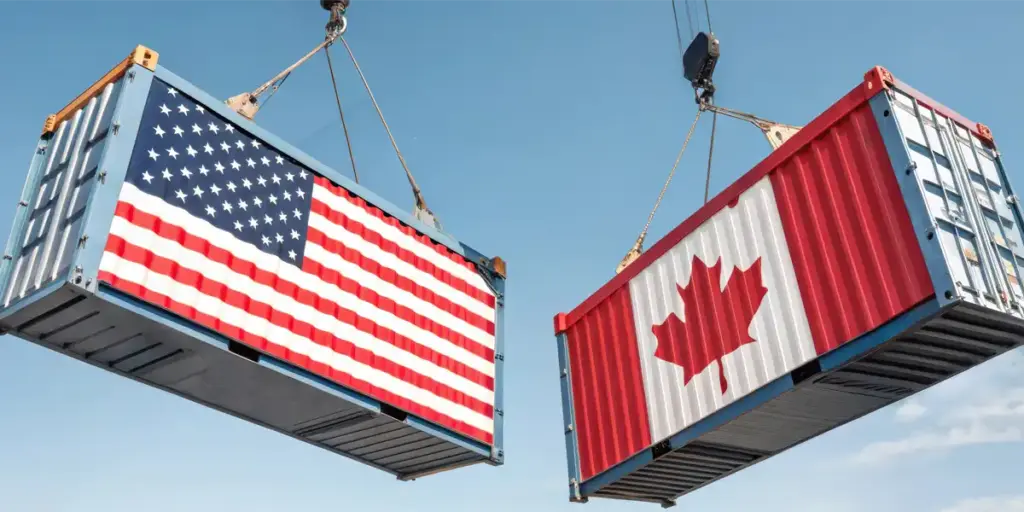
Introduction to Canada Tariffs
Tariffs have always played a crucial role in shaping international trade policies and economic relationships. In Canada, tariffs are levies placed on imported goods aimed at protecting domestic industries from foreign competition. As global trade dynamics evolve, understanding the significance and contemporary changes in Canada tariffs is increasingly important for businesses, consumers, and policy-makers.
Recent Developments
In recent months, Canada’s federal government has implemented a series of tariff adjustments in response to various economic pressures and trade negotiations. In early 2023, new tariffs were leveled against certain steel and aluminum imports, aiming to safeguard Canadian manufacturing jobs and ensure fair pricing within the domestic market. This decision came after consultations with Canadian steel producers who argued that the influx of foreign steel was undermining local competitiveness.
Additionally, the recent trade agreement revisions with the United States and Mexico have had ripple effects on Canadian tariffs. Under the Canada-United States-Mexico Agreement (CUSMA), new provisions were established for dairy and poultry products, leading to a recalibration of tariffs that Canadian farmers and producers must navigate. While these changes are designed to integrate the North American trade market, they have sparked strong reactions from various sectors concerned about the long-term impact on local agricultural economies.
The Impact on Consumers and Businesses
For consumers, tariffs posed an immediate concern, as increased import costs could translate to higher prices on goods ranging from electronics to clothing. Retailers often pass these costs onto customers, potentially affecting purchasing power and consumer confidence. Moreover, businesses, especially those relying heavily on imports, face the challenge of rising costs of raw materials, which may lead to reduced profitability or even increased prices for their own products.
Future Outlook
Looking ahead, experts anticipate that Canada’s tariff policy will undergo further changes, especially considering the ongoing negotiations surrounding global trade agreements. The impact of tariffs on inflation rates, international competitiveness, and domestic production is expected to remain a focal point of economic discussions in Canada. Stakeholders are encouraged to monitor how these policies develop, as shifts could dictate strategic decisions regarding pricing, supply chains, and market expansion.
Conclusion
As tariffs remain a dynamic aspect of Canada’s trade landscape, their implications are felt across various sectors of the economy. Understanding the nuances of these changes and their potential impact is crucial for consumers, businesses, and policymakers alike. Continued dialogue and analysis will be essential in navigating the complexities associated with Canada tariffs.