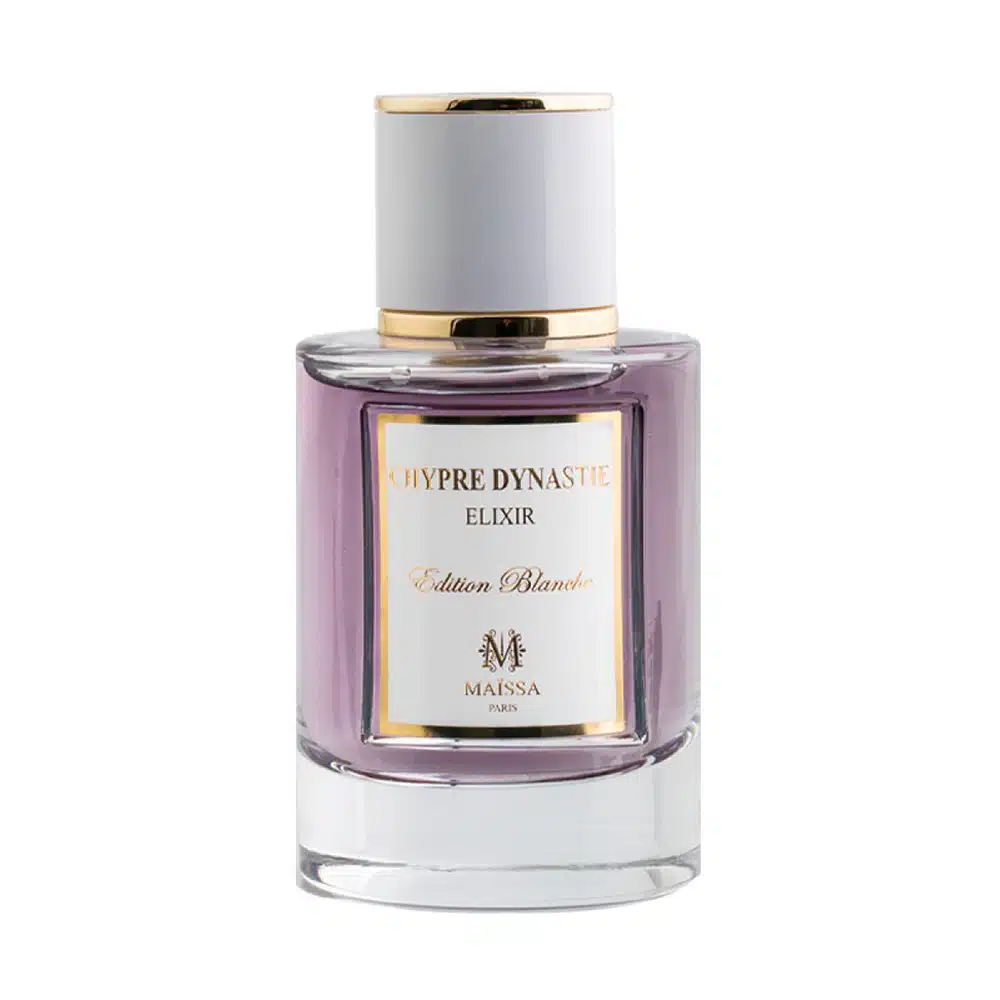
Introduction to Chypre
The term “chypre” refers to a specific family of fragrances that has significantly influenced the perfume industry. Named after the French word for Cyprus, where the fragrances were said to originate, chypre compositions are characterized by a harmonious blend of citrus notes, floral elements, and earthy base notes such as oakmoss and patchouli. This unique olfactory profile has made chypre one of the enduring staples in the world of perfumery.
Historical Background
The chypre fragrance category emerged in the early 20th century, but its roots can be traced back to the 17th century. The landmark creation by François Coty in 1917, known as “Chypre,” established the modern chypre structure, which influenced countless perfumes that followed. This fragrance type gained popularity throughout the 20th century, with famous examples like Hermès’ “Bel Ami” and Chanel’s “Coco” showcasing the versatility of chypre notes.
Characteristics of Chypre Fragrances
Chypre fragrances typically consist of three main components: top notes, heart notes, and base notes. The top notes often include citrus essences such as bergamot or lemon, providing a fresh and lively opening. The heart notes typically feature floral ingredients, such as jasmine or rose, which contribute to the perfume’s complexity. Finally, the base notes, including oakmoss, patchouli, or leather, give chypre its distinctive depth and richness that lingers long after application.
Modern Significance
In recent years, chypre fragrances have seen a resurgence in popularity, especially among niche and artisanal perfume brands that seek to revive the classic scent profiles. Perfume enthusiasts are increasingly exploring vintage chypre offerings and modern interpretations of the style, showcasing the category’s enduring appeal. Chypre fragrances are being adapted to reflect contemporary tastes, incorporating fresh ingredients while maintaining the spirit of the original compositions. Major luxury brands are also reintroducing chypre scents as part of their collections, recognizing their timeless allure.
Conclusion
The chypre fragrance category holds a significant place in the history of perfumery, symbolizing elegance and sophistication. As trends in the industry evolve, the chypre style remains a cherished choice for many, beloved for its complexity and ability to evoke emotion. The continued interest in chypre fragrances not only highlights their versatility but also underscores their importance in both historical context and modern beauty culture. For fragrance lovers, exploring the world of chypre offers an opportunity to connect with both tradition and innovation in the art of scent.