Introduction
Colorectal cancer is one of the most common cancers in Canada, with approximately 24,000 new cases diagnosed each year. Its rising incidence has underscored the importance of awareness, early detection, and prevention strategies in combating this potentially life-threatening disease. As Canadians increasingly prioritize health, understanding the risk factors and symptoms of colorectal cancer becomes vital.
Current Statistics and Insights
The Canadian Cancer Society estimates that colorectal cancer is the second most deadly cancer in Canada, with roughly 9,300 fatalities annually. Risk factors include age (most common in those over 50), family history, and lifestyle choices such as diet, exercise, and alcohol consumption. Moreover, certain genetic conditions can significantly increase one’s risk.
Symptoms and Early Detection
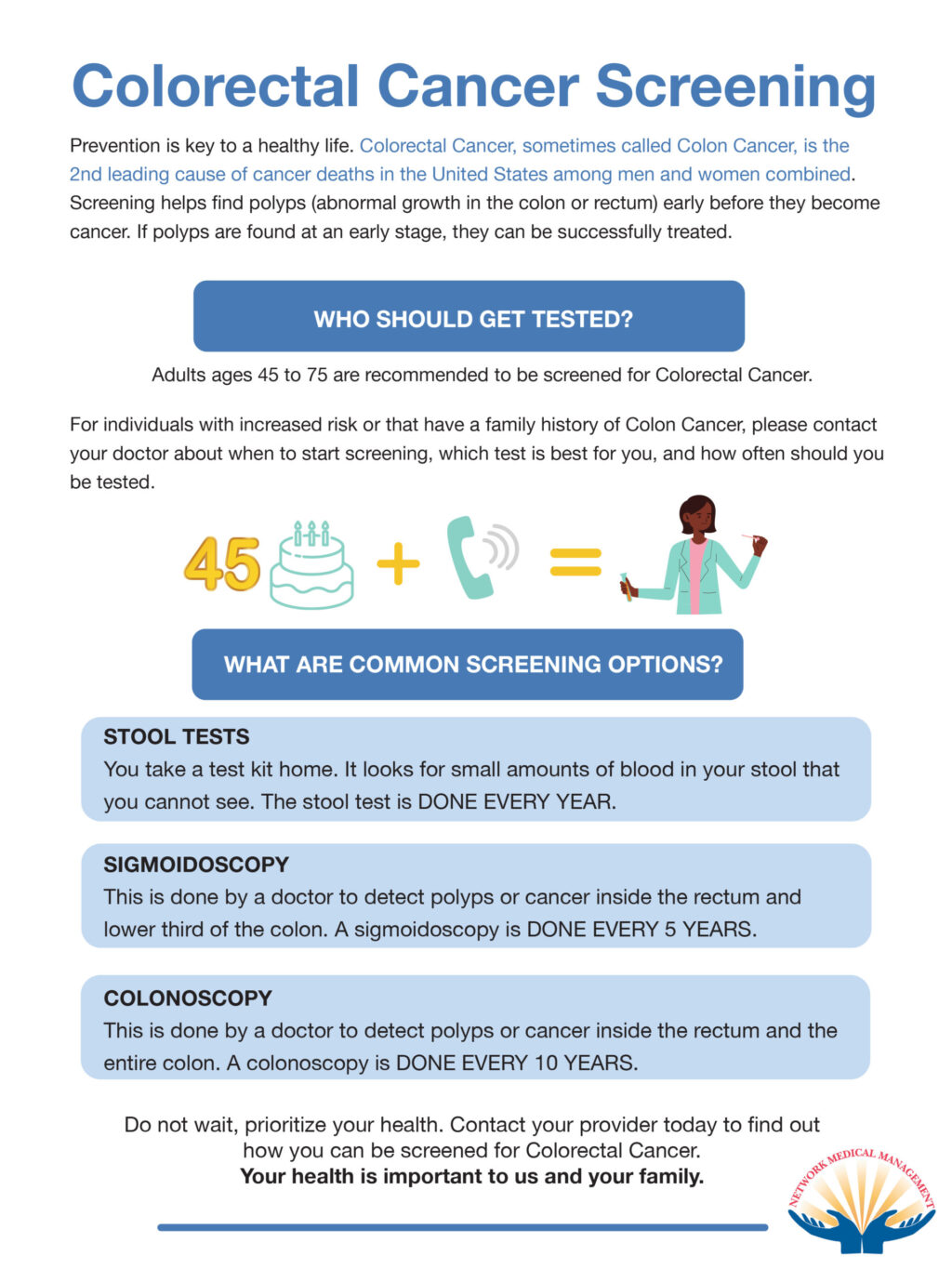
Recognizing the symptoms of colorectal cancer is crucial for early intervention. Common indicators include changes in bowel habits, blood in the stool, persistent abdominal discomfort, and unexplained weight loss. Healthcare professionals recommend regular screenings, such as colonoscopies, especially for individuals over 50 or those with increased risk factors. Early detection significantly improves treatment success rates and overall survival.
Recent Developments and Research
Recent advancements in research have shed light on novel treatments and preventive measures. A 2023 study published in the Journal of the National Cancer Institute highlights the efficacy of dietary changes and physical activity in reducing colorectal cancer risk. Moreover, immunotherapy and targeted therapies continue to evolve, offering hope to patients diagnosed with advanced colorectal cancer.
Conclusion: The Importance of Awareness and Action
Colorectal cancer remains a significant public health challenge, necessitating collective efforts in education, advocacy, and research. Enhancing awareness about symptoms and prevention strategies is crucial for lowering incidence and mortality rates. As Canada continues to prioritize cancer care, individuals are encouraged to engage in healthy lifestyle practices, participate in regular screenings, and seek medical advice when symptoms arise. Together, we can work towards reducing the burden of colorectal cancer in our communities.