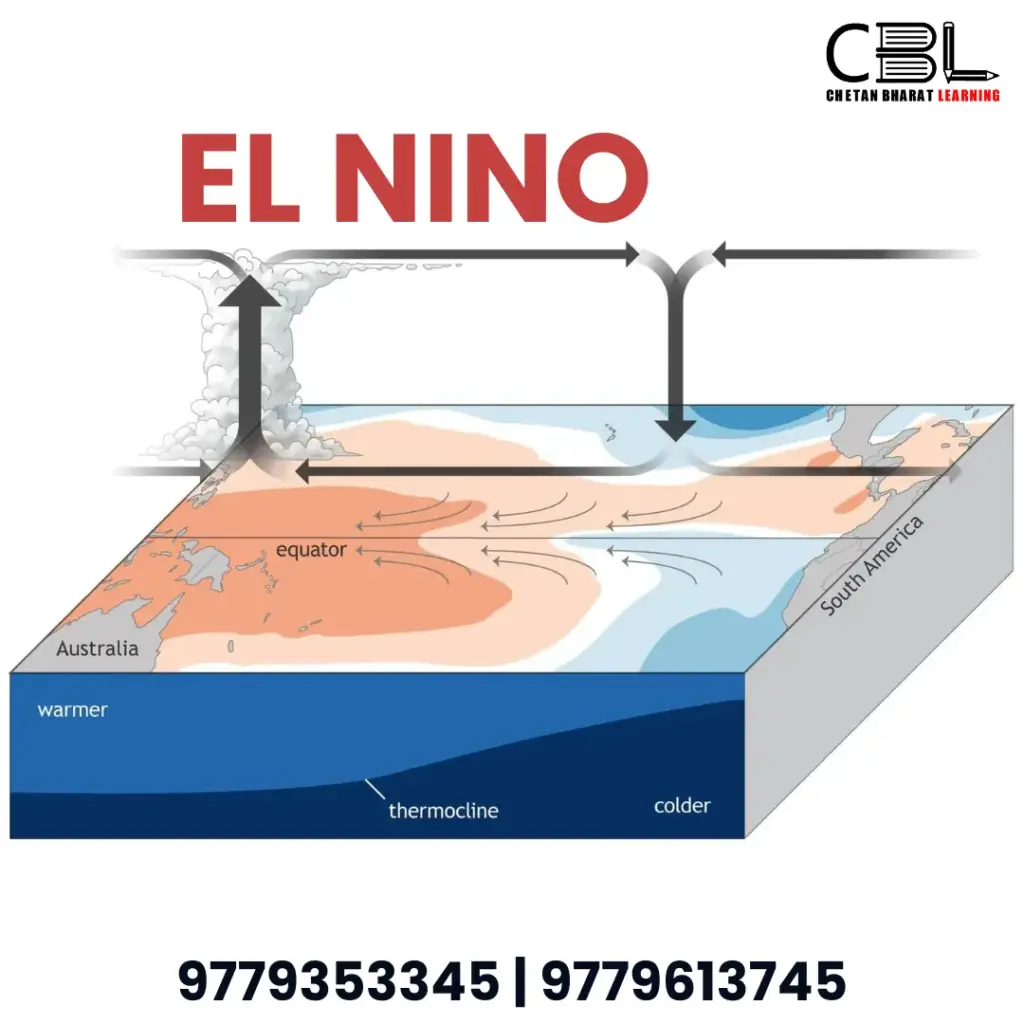
Introduction to El Niño
El Niño is a climate phenomenon characterized by the warming of surface waters in the eastern and central tropical Pacific Ocean. This phenomenon significantly impacts global weather patterns, leading to changes in rainfall, temperature, and storm activity across various regions. Understanding El Niño is crucial as its effects can disrupt agriculture, contribute to droughts and floods, and influence the frequency and intensity of hurricanes. Recent patterns indicate that the phenomenon may become more frequent and intense due to climate change, making its study increasingly relevant.
Current Events Surrounding El Niño
As of 2023, experts forecast a strong El Niño episode, which has implications for global weather. The Climate Prediction Center (CPC) has reported a greater than 95% chance that this phenomenon will continue through the winter months. This expected intensity could lead to severe weather patterns, including excessive rainfall in Southern California and droughts in parts of Southeast Asia and Australia. Reports indicate that nations are already preparing for these consequences, as food security and water supply could be adversely affected in vulnerable regions.
Impact on Local Weather Patterns
The effects of El Niño are felt worldwide, with the potential for varying impacts across different geographic areas. In Canada, for example, warmer winters may occur in the western provinces, leading to less snowfall and impacting ecosystems. Conversely, some eastern regions could experience cooler and stormier weather. The Canadian agricultural sector is also bracing for potential crop yield shifts due to these changing conditions.
Conclusion
El Niño is a compelling reminder of the interconnectedness of global weather patterns and the potential for severe environmental changes. As we move through the year, observing the developments of the current El Niño phenomenon will be critical for predicting and preparing for its impacts worldwide. As climatic changes become more prominent, enhanced forecasting and preparedness strategies will be essential for mitigating adverse effects. The ongoing discourse around climate resilience highlights the necessity of understanding phenomena like El Niño to better protect communities and ecosystems globally.