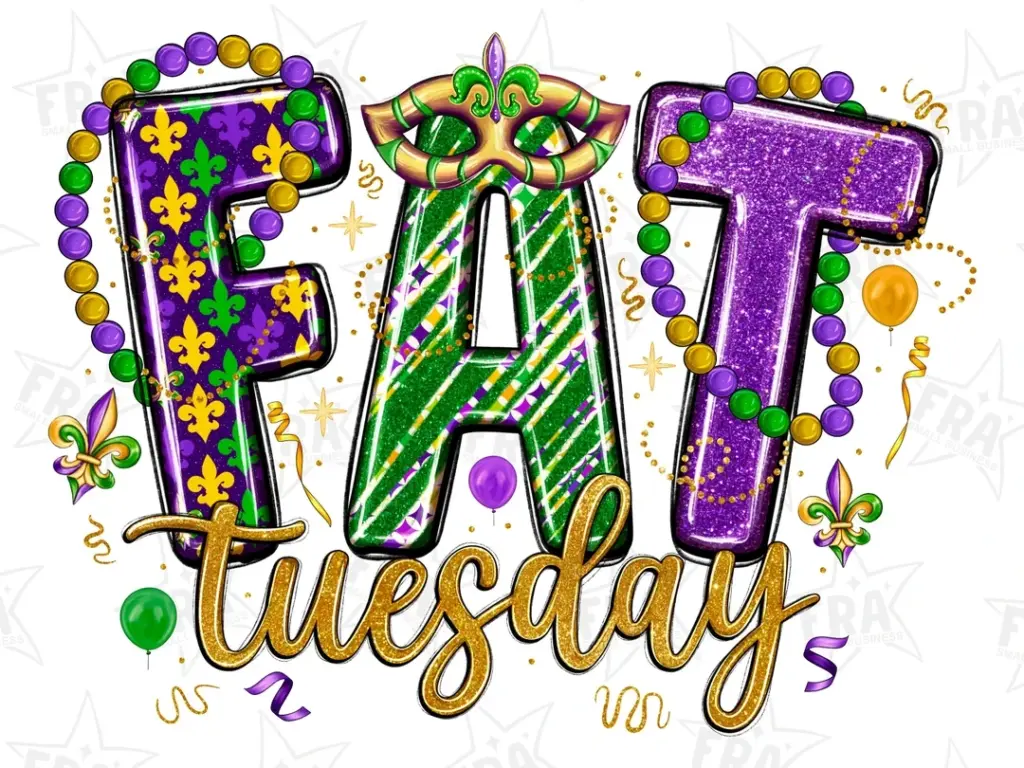
Introduction to Fat Tuesday 2026
Fat Tuesday, also known as Mardi Gras, holds historical and cultural significance in many parts of the world, especially in places like New Orleans, USA, and other regions with rich Catholic traditions. The day marks the final celebration before the starting of Lent, a period of fasting and penance in the Christian calendar. Celebrations typically include vibrant parades, extravagant costumes, and a feast of rich foods, making Fat Tuesday an event not to be missed in 2026.
Current Events and Preparations for Fat Tuesday 2026
The year 2026 marks an exciting milestone for Fat Tuesday enthusiasts, as it falls on February 9, 2026. Although it may feel like a long time away, preparations for the festivities are already gaining momentum. Major cities are starting to plan their parades and events, with New Orleans, Louisiana expected to host one of the largest celebrations. In recent years, the impact of the COVID-19 pandemic has made large gatherings challenging, but as restrictions ease, many communities are enthusiastic about getting back to traditional celebrations.
This year, various organizations and local governments are working on ensuring that events maintain safety protocols while still being enjoyable. The New Orleans Mardi Gras crew, known for their elaborate floats and costumes, are compiling plans to make 2026 a memorable event, highlighting creativity and cultural heritage.
Traditions and Cultural Importance
Fat Tuesday is a blend of various traditions and cultural practices. One well-known custom is the consumption of King Cake, a richly decorated dessert, often containing a hidden figurine. The person who finds it is considered the ‘king’ or ‘queen’ of the day and is expected to host the next King Cake party. Additionally, the use of colorful beads, masks, and flamboyant outfits adds to the atmosphere of revelry.
Looking Forward to Fat Tuesday 2026
As the countdown to Fat Tuesday 2026 continues, one thing is certain: communities will come together to celebrate their heritage and the spirit of togetherness. This year promises not only a return to normalcy but also an opportunity to reflect on the significance of unity and celebration in overcoming challenges. Residents and visitors alike are encouraged to join in the festivities, embrace the traditions of Fat Tuesday, and anticipate what promises to be a spectacular event in 2026.
Conclusion
Fat Tuesday 2026 represents more than just a day of indulgence; it symbolizes cultural heritage, togetherness, and resilience. As cities gear up for their celebrations and the world opens its doors to festive gatherings once again, it’s a time for everyone to look forward with anticipation, excitement, and joy.