Introduction to Fog Advisory
Fog advisories play a crucial role in ensuring public safety, particularly during the fall and winter months when mist and fog become more prevalent across various regions of Canada. Such advisories inform the population about reduced visibility and adverse driving conditions. They remind drivers and pedestrians alike to exercise caution, thus reducing the risk of accidents.
Current Forecasts and Impacts
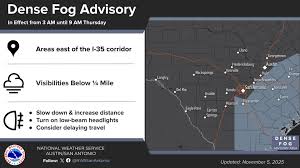
As of today, Environment and Climate Change Canada has issued multiple fog advisories across provinces such as Ontario, British Columbia, and Quebec. In these areas, dense fog is expected to settle in overnight, leading to visibility reductions to less than 100 meters in some locations. The advisories serve as warnings for travelers, particularly those using highways where fog can pose significant hazards.
Local authorities have reported several incidents where poor visibility due to fog has resulted in minor collisions. Emergency services urge motorists to adjust their speed accordingly, use low-beam headlights, and maintain a safe distance from other vehicles. Tips to navigate foggy conditions include avoiding sudden movements or sharp turns, as these can lead to loss of control.
Communication of Advisories
Fog advisories are typically issued through various channels. Citizens can stay updated via weather apps, radio broadcasts, and social media. It is increasingly common for municipalities to utilize alerts via text messages to notify residents of ongoing weather conditions. This proactive approach aims to keep the public informed and prepared for changing weather patterns.
Conclusion and Safety Significance
A fog advisory is more than just a weather update; it is a crucial tool for public safety. As unpredictable weather patterns become common, understanding the implications of these advisories can protect individuals and communities. Experts predict an increase in foggy days tied to climate changes, underscoring the need for continued vigilance and education on handling such conditions. For Canadians, staying informed and prepared is paramount as weather conditions fluctuate, especially during this time of year.