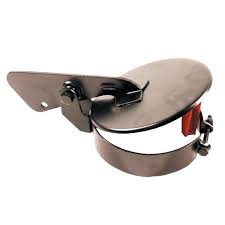
Introduction to Klapka
The term ‘klapka’ has recently gained traction in the world of outdoor recreation. Originating from a combination of traditional practices and modern innovations, it reflects a diverse range of activities that enhance outdoor experiences, particularly in camping and hiking. As many people seek new ways to explore nature, understanding klapka’s relevance is essential for enthusiasts and casual adventurers alike.
The Rise of Klapka in Recreational Activities
Over the last year, interest in klapka has surged, particularly among millennials and Gen Z who cherish experiences that combine physical challenges with social interaction. Klapka encompasses not only traditional camping methods but also integrates fitness elements, sustainability practices, and technology use in outdoor settings. Reports from the Outdoor Industry Association suggest that nearly 60% of young adults are now participating in activities that could be categorized as klapka, demonstrating a shift in how outdoor recreation is perceived.
Events promoting klapka are emerging across Canada, featuring workshops and festivals that encourage community engagement. The Klapka Outdoor Festival, held annually in British Columbia, attracts thousands of participants, showcasing the latest gear, experiences, and skills associated with this trend. Moreover, social media platforms are buzzing with content tagged under #klapka, making it even more accessible to a wider audience.
Benefits of Engaging in Klapka
Participating in klapka offers numerous benefits. Physically, it encourages healthy habits through active engagement with nature, while mentally, it reduces stress and promotes well-being. The environmental aspect of klapka emphasizes sustainability, with practitioners encouraged to adopt Leave No Trace principles, fostering a connection to the environment that aligns with conservation efforts.
Conclusion: The Future of Klapka
The klapka phenomenon signifies more than just a trend; it represents a transformation in the outdoor recreation landscape. As more people embrace these activities, we can expect an increase in the availability of amenities catering to klapka enthusiasts, including eco-friendly gear and guided adventures. Forecasts indicate that klapka will continue to grow over the coming years, paving the way for new partnerships between outdoor brands and conservation organizations. For anyone interested in outdoor adventures, understanding klapka offers the opportunity to engage in a fulfilling, health-conscious, and environmentally-friendly way to enjoy nature.