Introduction
NHL player stats are a critical aspect of professional hockey, providing fans, analysts, and coaching staff with essential information regarding player performance. These statistics not only shape fan engagement but also play a significant role in team strategies, player trades, and overall evaluations during the season. As the NHL season progresses, understanding these stats becomes increasingly relevant for those following their favorite teams and players.
Current Trends in NHL Player Stats
As of October 2023, the NHL has implemented several innovations aimed at enhancing the accuracy and scope of player stats. Advanced analytics, including metrics like Corsi or Fenwick, are being widely adopted to provide deeper insights into player efficacy on the ice. Regular stats such as goals, assists, and points remain fundamental; however, many franchises now prioritize analytics, guiding their decisions on player utilization and roster adjustments.
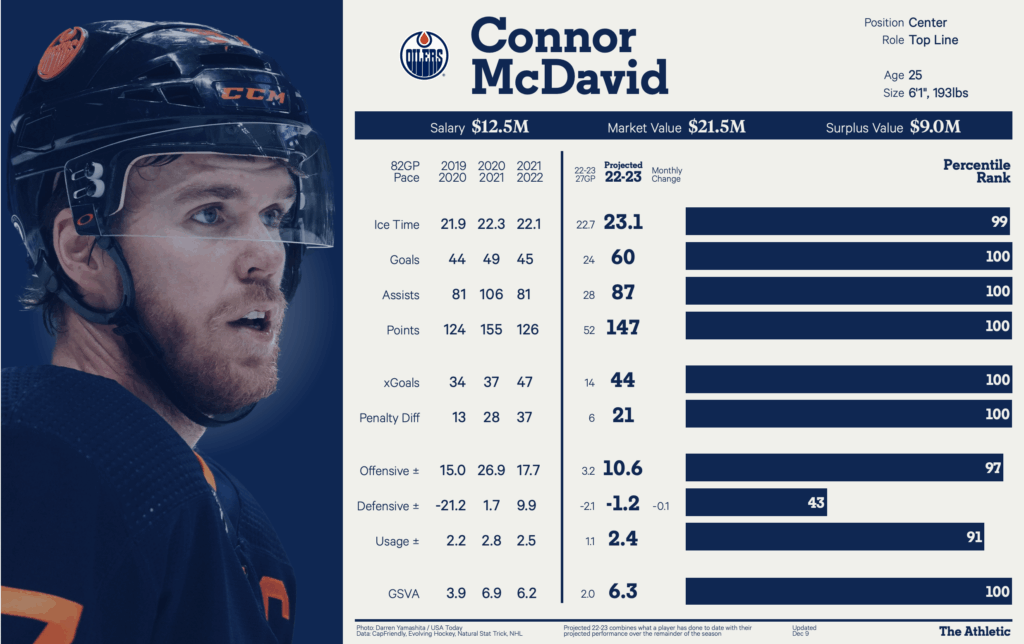
The 2023-2024 season has already seen standout performances from players like Connor McDavid and Auston Matthews, who are leading in personal stats while also influencing their teams’ success. McDavid’s scoring average is on pace for another historic season, while Matthews showcases an impressive shot percentage, underlining his role as a key offensive player.
Impact of Player Stats on Team Dynamics
How players perform according to these statistics can have significant ramifications. A player’s shooting percentage, plus/minus rating, and time on ice are crucial metrics that coaching staffs analyze to make split-second decisions during games. Coaches may opt to increase a player’s ice time if their stats indicate high effectiveness or reduce minutes for those who underperform based on their metrics.
Moreover, with data availability on player tracking, teams can evaluate players’ contributions beyond conventional statistics, leading to more informed player acquisitions in future drafts or trades. Events such as the recent NHL draft created a buzz, with analysts sharing their assessments based on the stats of emerging talents.
Looking Ahead
The importance of NHL player stats is projected to grow, with predictive analytics becoming more commonplace. Organizations are keen on leveraging data science for player development, injury prevention, and maximizing performance on the ice. This technology not only provides a competitive edge but also enriches the viewer experience as fans increasingly seek metrics to support their observations and engage more meaningfully with the game.
Conclusion
In summary, NHL player stats serve as a cornerstone for understanding the dynamics of ice hockey, profoundly influencing team strategies and fan engagement. As innovations in data collection and analysis evolve, both casual fans and hardcore enthusiasts will benefit from a deeper understanding of the game. The days ahead promise even more exciting changes in how governments, fans, and players alike interact with and interpret these statistics.