Introduction to Phishing
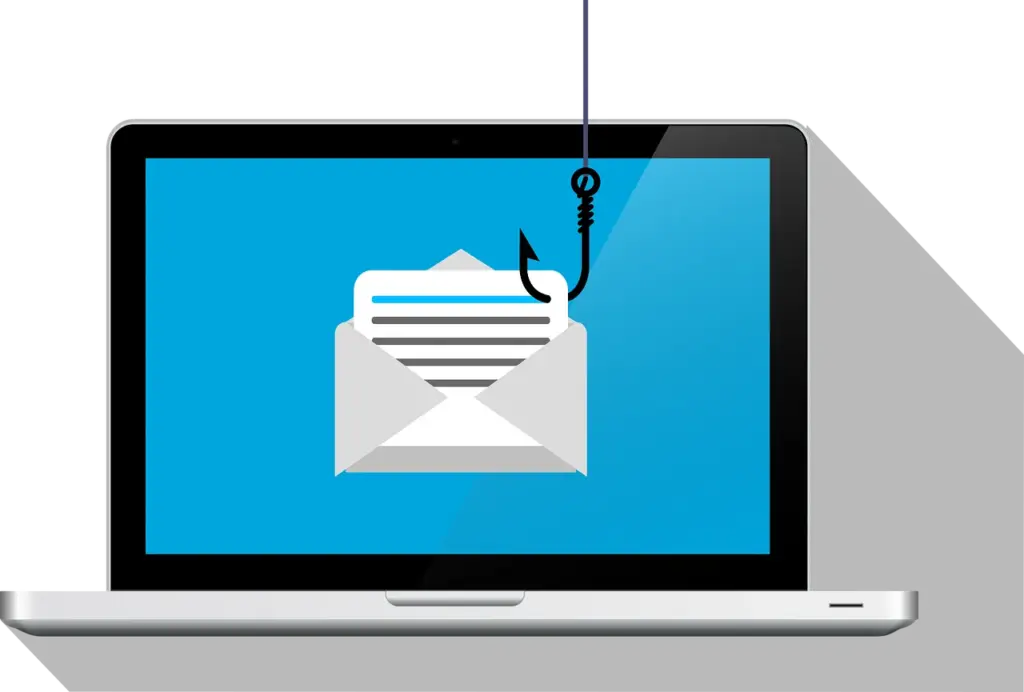
Phishing has emerged as one of the most pervasive threats in the cyber landscape today, targeting millions globally. This deceptive practice involves tricking individuals into providing sensitive information, such as passwords and credit card numbers, often via seemingly legitimate emails or websites. Understanding phishing and its implications is crucial in safeguarding personal and financial information in an increasingly digital world.
Types of Phishing
Phishing can take several forms, with each method employing different tactics to exploit victims:
- Email Phishing: This is the most common type, where attackers send emails disguised as reputable entities, enticing users to click malicious links or download harmful attachments.
- Spear Phishing: Unlike mass email phishing, spear phishing targets specific individuals or organizations, often using personalized information to increase credibility. This method is exceedingly dangerous as it can bypass traditional security measures.
- Whaling: A specific form of spear phishing focused on high-profile targets such as executives or government officials. Whaling scams are often particularly sophisticated and can result in substantial financial losses.
- Voice Phishing (Vishing): This tactic involves phone calls instead of emails, where attackers impersonate legitimate organizations to extract sensitive information over the phone.
- SMS Phishing (Smishing): Phishing attempts that occur via text messages, prompting users to visit malicious links or provide personal information.
Recent Trends and Statistics
According to the Anti-Phishing Working Group (APWG), phishing attacks have surged considerably, with reports indicating a 65% increase in attacks between 2019 and 2021. In 2023, a study found that phishing accounts for over 90% of data breaches, emphasizing the need for vigilance among users. Cybersecurity experts highlight the evolving tactics of attackers, who continuously refine their methods to exploit new vulnerabilities presented by technology advancements.
Protecting Yourself from Phishing
Defense against phishing requires a combination of awareness and technology:
- Education: Stay informed about the latest phishing tactics and recognize the signs of suspicious communications.
- Verification: Always verify unexpected communications by contacting the organization directly using official channels before providing any information.
- Security Software: Employing comprehensive security software can help detect and block phishing attempts before they reach the user.
- Two-Factor Authentication: Enabling two-factor authentication adds an extra layer of protection, making it more difficult for attackers to gain unauthorized access.
Conclusion
Phishing remains a significant threat in our digital age, underscoring the importance of awareness and proactive security measures. As cybercriminals evolve their tactics, both individuals and organizations must stay informed and vigilant. By implementing best practices and educating oneself about phishing, it is possible to significantly reduce the risk of falling victim to this pervasive cyber threat.