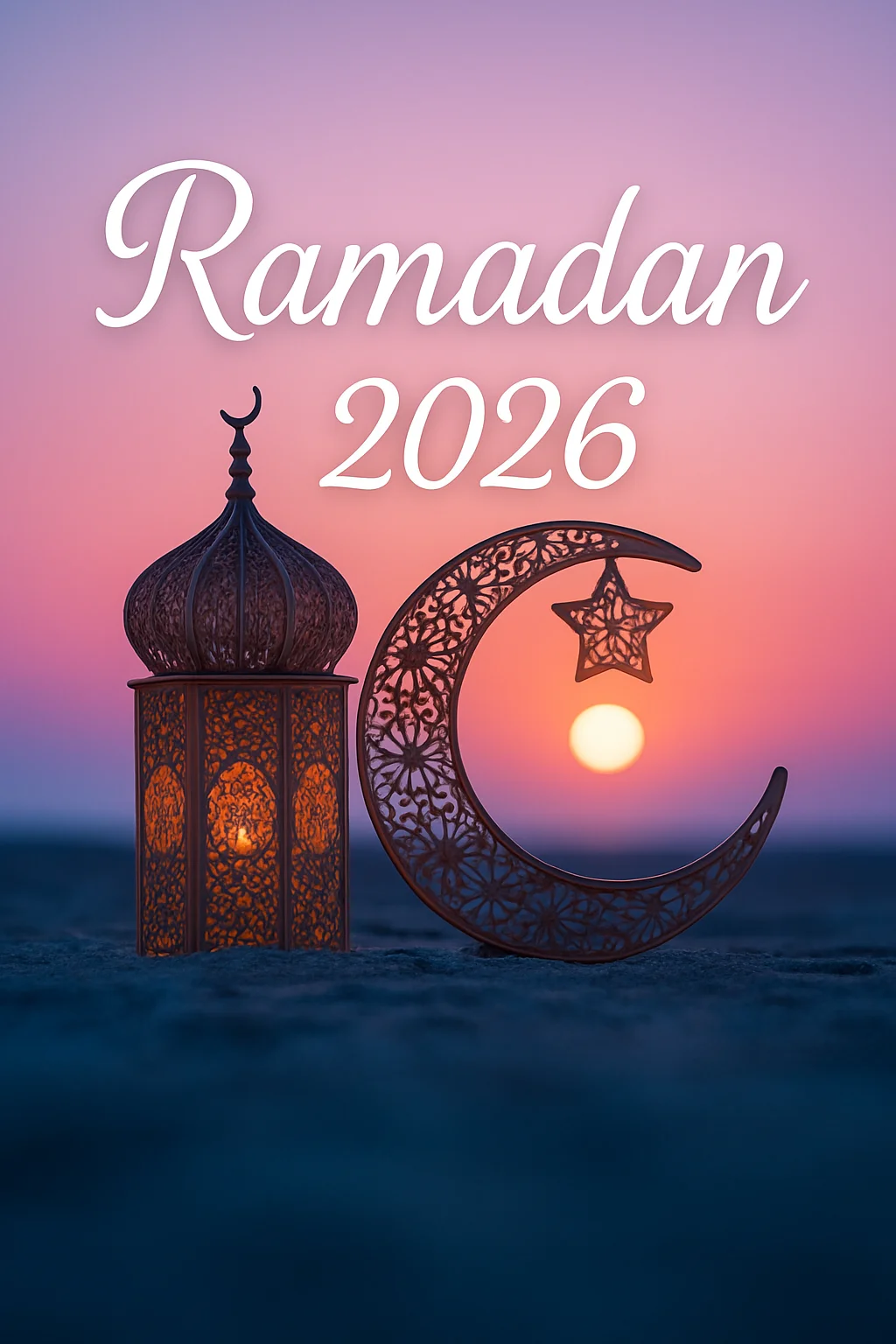
Introduction to Ramadan and Its Significance
Ramadan is the ninth month of the Islamic lunar calendar, observed by Muslims worldwide as a month of fasting, prayer, reflection, and community. In 2026, Ramadan is expected to start on the evening of February 17, with the conclusion anticipated around March 18. This period holds immense spiritual significance, as it commemorates the month in which the Quran was first revealed to the Prophet Muhammad. Understanding the importance and unique aspects of Ramadan helps in fostering interfaith dialogue and appreciation for diverse cultural practices, especially in multicultural nations like Canada.
Observances and Practices During Ramadan
During Ramadan, Muslims are required to fast from dawn until sunset, refraining from eating, drinking, smoking, and sinful behavior during daylight hours. The fast is broken each day with a meal called iftar, traditionally starting with dates and water, followed by a larger meal shared with family and friends. In 2026, the communal aspect of Ramadan will likely be emphasized, especially following the disruptions caused by the COVID-19 pandemic in the past years. Many mosques and community centers are preparing to host larger gatherings for iftar and nightly Tarawih prayers, allowing for social connection and support.
Global Observance and Variations
Globally, the customs and traditions associated with Ramadan can vary widely. Some cultures include special nightly prayers or additional charitable giving. In some regions, people share meals with neighbors and the less fortunate, further emphasizing the spirit of generosity and community. Furthermore, many families take this time to engage in acts of kindness and volunteer their time and resources.
Conclusion: Looking Ahead to Ramadan 2026
As Ramadan 2026 approaches, many Muslim communities will likely prepare not only for the fasting period but also for a renewed emphasis on community spirit and interfaith connections. With more opportunities for gathering and celebration, Ramadan will continue to stand as a beacon of faith and compassion. For non-Muslims, understanding and respecting the significance of this month can foster greater empathy and inclusiveness in multicultural societies. By encouraging dialogue and shared experiences, communities can create a better understanding of each other’s beliefs and values in an increasingly connected world.