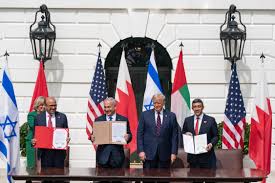
Introduction to the Abraham Accords
The Abraham Accords, signed in September 2020, marked a groundbreaking shift in Middle Eastern diplomacy, fostering peace and normalization between Israel and several Arab nations. This initiative is significant not only for the parties directly involved but also for the broader geopolitical landscape in the region, particularly in light of ongoing tensions and conflicts.
Key Participants and Agreements
The initial accords were between Israel, the United Arab Emirates (UAE), and Bahrain, with Sudan and Morocco later joining the pact. Under these agreements, signatory nations have committed to establishing diplomatic relations, economic cooperation, and cultural exchange, a notable departure from the previous stance that many Arab nations held, which typically conditioned normalization on the resolution of the Israeli-Palestinian conflict.
Recent Developments
Since the signing of the accords, there have been various developments. For instance, trade between Israel and the UAE has flourished, reaching an estimated $1 billion in the first year alone. Additionally, agreements fostering cooperation in technology, tourism, and security have been established. In recent months, discussions have also renewed among Sudan regarding deeper commitments to the Abraham Accords, with aspirations for peace and stabilization in the region.
The Impact on Regional Dynamics
The Abraham Accords have recalibrated relationships in the Middle East, influencing the Arab world’s perception of Israel and shifting the balance of power. This has led to increased diplomatic engagement not only between Arab nations but also with other international stakeholders interested in fostering stability in the region. However, challenges remain, particularly concerning the Palestinian situation, now more urgent amidst rising tensions.
Conclusion
As the Abraham Accords continue to evolve, their long-term significance will be closely watched. This initiative not only reshapes traditional alliances in the region but also raises essential questions about future agreements and their implications for peace efforts involving Palestine. Analysts suggest that if successful, the accords could pave the way for further normalization between Israel and other Arab states, heralding a potential new era of cooperation and stability in the Middle East. For readers, understanding the implications of the Abraham Accords could reflect the complexities of international relations and the ongoing quest for peace in a historically tumultuous region.