Introduction
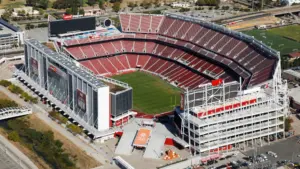
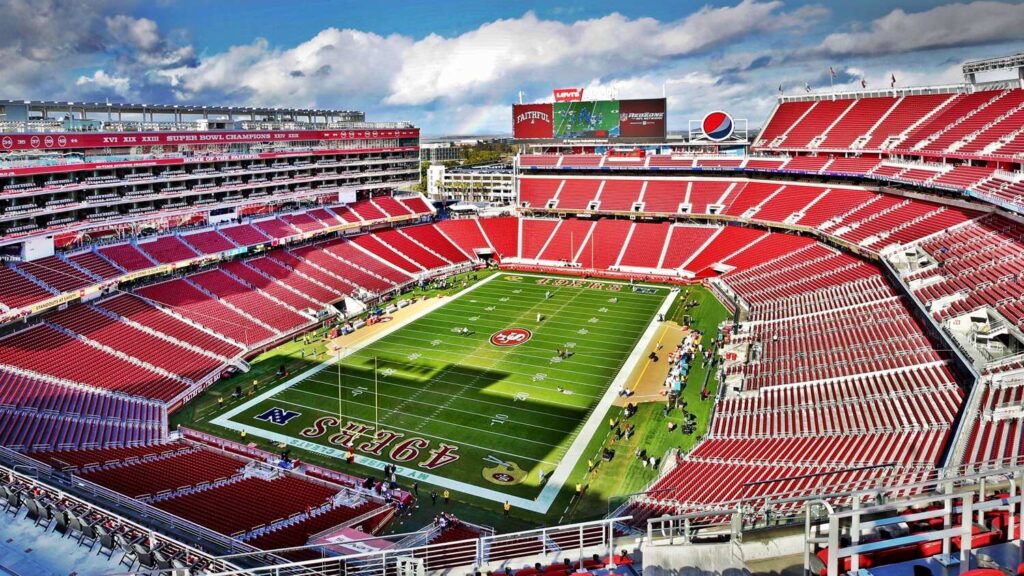
Levi’s Stadium, located in Santa Clara, California, is known not only as the home of the NFL’s San Francisco 49ers but also as a venue for numerous concerts and significant events. Understanding the stadium’s capacity is crucial as it impacts everything from ticket sales to security measures during high-profile events. As one of the prominent stadiums in North America, its capacity is an important factor for fans, event organizers, and city planners alike.
Current Capacity
Since its opening in 2014, Levi’s Stadium has a seating capacity of approximately 68,500 for football games, which can be expanded to accommodate over 75,000 for special events such as concerts. This flexibility in capacity is one of the stadium’s standout features, allowing it to host a diverse range of events, including the Super Bowl, college football games, and concerts by international stars.
Significant Events
In addition to hosting San Francisco 49ers home games, Levi’s Stadium made headlines in 2016 when it hosted Super Bowl 50, showcasing its ability to comfortably accommodate large crowds while providing a state-of-the-art experience. The high-capacity design of the stadium also allows for innovative technological integrations, enhancing visitor experience with features like mobile apps for easier access to amenities.
Impact on Local Economy
The economic implications of Levi’s Stadium’s capacity extend beyond just the structure itself. Increased capacity means higher ticket sales, more visitors to the surrounding area, and greater revenues for local businesses during events. According to BETTER PACIFIC, an economic impact study showed that events at the stadium injected millions into the local economy, supporting jobs and businesses in Santa Clara.
Conclusion
Levi’s Stadium’s capacity plays a crucial role in its ability to host a variety of events, contributing positively to both sports culture and the local economy. As the demand for large-scale events continues to rise, the ability of venues like Levi’s Stadium to adapt and accommodate varying capacities will remain significant. In the future, potential expansions or renovations may further enhance its viability as a premier destination for entertainment and sports in California.