Introduction
The Consumer Price Index (CPI) inflation rate is a critical economic indicator that measures the average change over time in the prices paid by consumers for goods and services. In Canada, the CPI inflation rate plays a pivotal role in shaping monetary policy, influencing interest rates, and offering insights into the living costs faced by citizens. As the economy grapples with various pressures, understanding CPI inflation’s current status and projected changes is essential for consumers, businesses, and policymakers alike.
Current Trends in CPI Inflation Rate
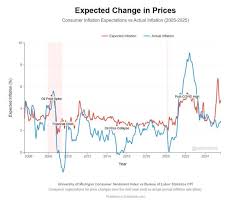
As of September 2023, Statistics Canada reported that the annual inflation rate stood at 3.8%, a modest decrease from previous months where rates hovered above 4.0%. This recent drop can be attributed to several factors, including decreased gasoline prices and a cooldown in food price inflation. Notably, the Bank of Canada has targeted an inflation rate of around 2%, indicating that while the current rate is declining, it remains above the desired threshold.
The sectors most affected by inflation currently include housing and food, both of which saw fluctuations in prices over the past year. For instance, the cost of shelter rose significantly, particularly due to increased demand in the rental market, while grocery costs have remained volatile due to supply chain disruptions and climate-related impacts.
Economic Implications
The CPI inflation rate has wider implications for the Canadian economy. A high inflation rate tends to erode purchasing power, meaning consumers can buy less with the same amount of money, which can lead to reduced consumer confidence. Consequently, businesses may adjust their pricing strategies, impacting overall economic activity. Furthermore, if inflation continues to remain elevated, the Bank of Canada may be prompted to increase interest rates to tighten monetary policy, potentially leading to slowdowns in consumer spending and housing markets.
Conclusion
The CPI inflation rate offers vital insights into the cost of living and economic stability in Canada. As the figures remain in focus, stakeholders must monitor how fluctuating prices affect everyday life and economic policy. Moving forward, analysts project that inflation may continue to gradually decrease, especially if supply chains stabilize and global economic conditions improve. However, uncertainties remain, and continued vigilance is essential for consumers and policymakers to navigate the shifting economic landscape effectively.