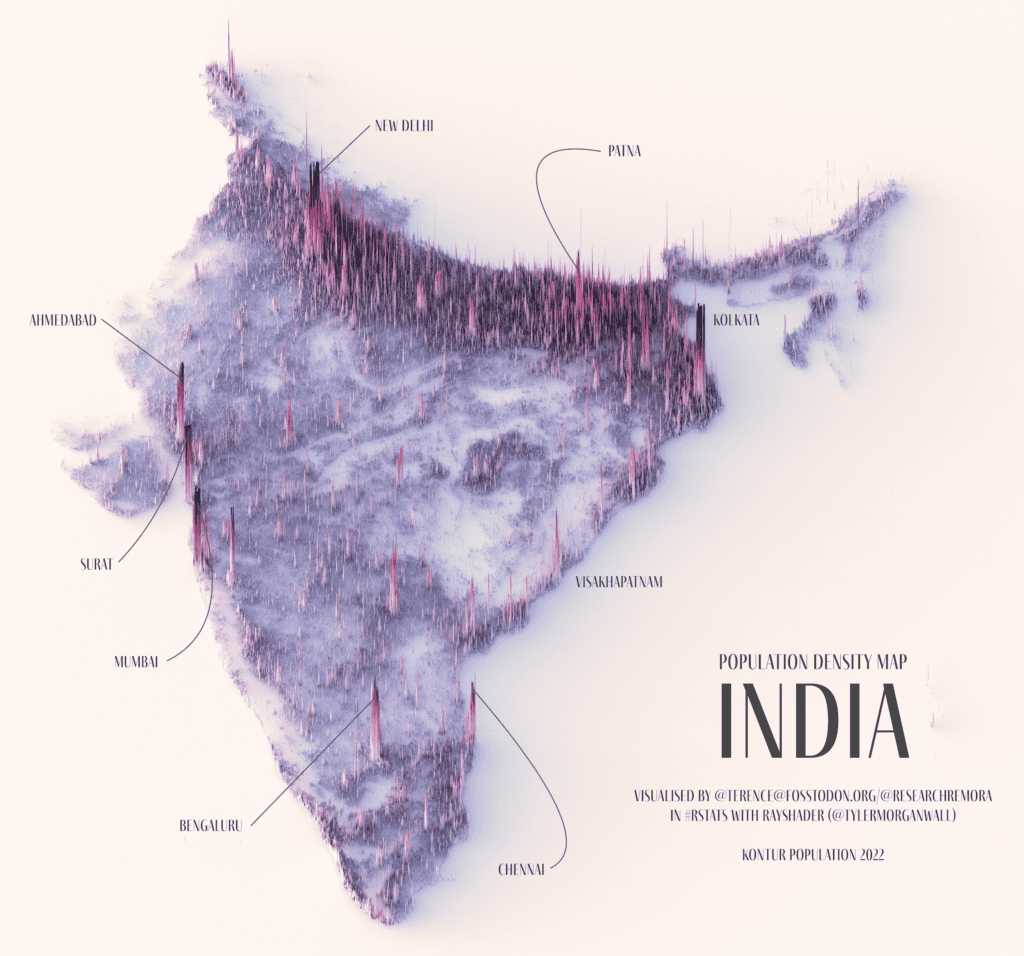
Introduction to India’s Population Significance
As of 2023, India is on the verge of surpassing China to become the world’s most populous country. With a projected population of approximately 1.4 billion people, this demographic shift carries significant implications not only for India but also for global dynamics. Understanding population trends is crucial as they affect economic growth, resource allocation, and social stability.
Current Population Statistics
India’s population growth has been remarkable. As per estimates from the United Nations, India’s population is expected to reach 1.428 billion by mid-2023, compared to China’s 1.425 billion. This momentous change is attributed to a variety of factors including urbanization, increased fertility rates in certain regions, and improvements in healthcare leading to lower mortality rates.
Challenges Posed by Overpopulation
While a large population can provide a labor force and consumer market, it also brings unique challenges. Overpopulation leads to intensified pressure on resources such as water, food, and housing. Furthermore, urban areas are experiencing rapid growth, resulting in increased pollution, traffic congestion, and inadequate infrastructure. The government faces the challenge of implementing policies that can balance growth with sustainability.
Government Initiatives and Population Control
The Indian government has initiated several programs aimed at controlling population growth, including family planning initiatives. Despite these efforts, the effectiveness varies across different states. For instance, some states with higher literacy rates and better healthcare facilities, like Kerala, have managed to achieve lower growth rates compared to others. Educational campaigns and access to contraception remain pivotal in managing this burgeoning population.
Future Projections and Global Impact
Looking ahead, India’s population is projected to continue growing, albeit at a slower pace. By 2050, estimates suggest a population of nearly 1.68 billion. This growth poses potential socio-economic shifts, especially in terms of workforce demographics and age distribution. A young population can energize the economy but will require substantial investment in education and job creation.
Conclusion
India’s population dynamics will play a crucial role in shaping its future as well as that of the international community. Policymakers must address the challenges of resource management and sustainable development to harness the benefits of a growing population. As India stands at the cusp of becoming the most populous nation, both its citizens and the global community will need to adapt to the implications this entails.