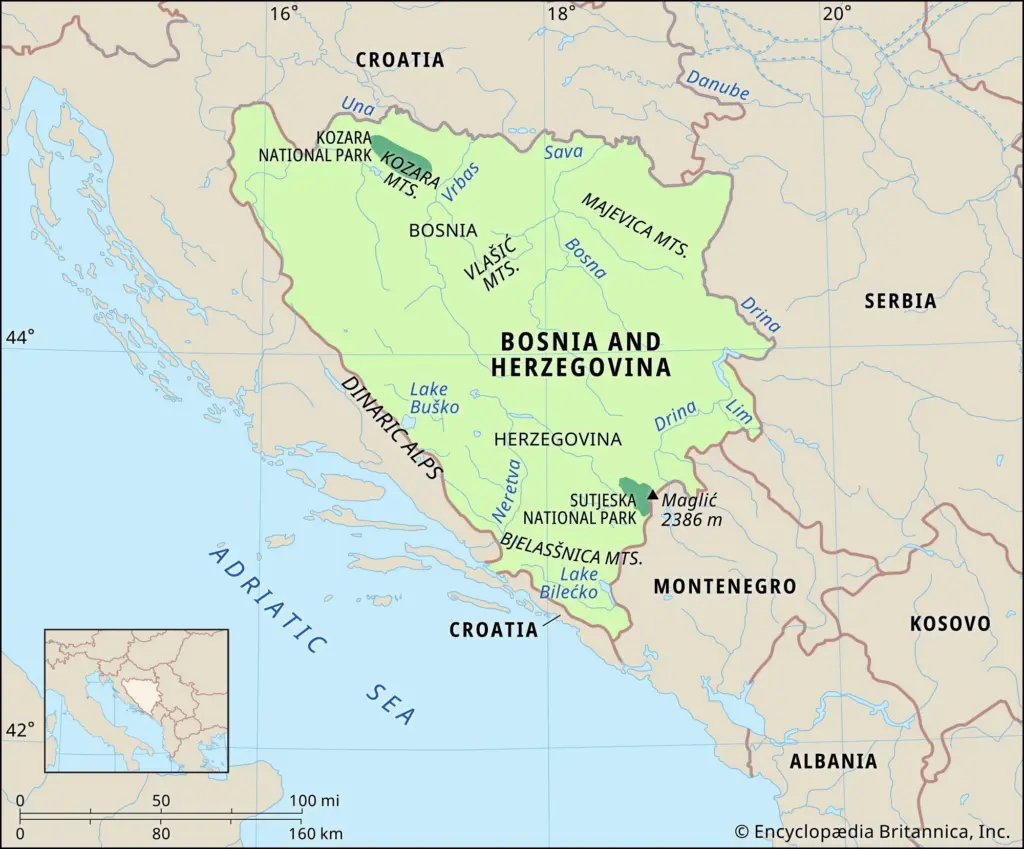
The Significance of Bosnia and Herzegovina
Bosnia and Herzegovina, located in Southeast Europe, has been at the crossroads of cultural and political influences for centuries. Its complex history, particularly in the 1990s during the Bosnian War, has shaped the nation and its people. Today, Bosnia and Herzegovina’s significance lies not only in its rich cultural heritage, with influences from the Ottoman Empire and Austro-Hungarian rule but also in its political landscape, which continues to evolve amid challenges and opportunities.
Recent Political Developments
As of late 2023, Bosnia and Herzegovina is facing renewed political tensions primarily influenced by the country’s ethnic divisions, particularly among Bosniaks, Croats, and Serbs. Recent elections have raised concerns regarding the electoral process, with various political parties accusing each other of voter manipulation and electoral fraud.
The ongoing stalemate in forming a stable government has implications for Bosnia’s aspirations for integration into the European Union. The High Representative, who oversees the implementation of the Dayton Agreement, has expressed concerns about the political paralysis and is calling for dialogue among the parties involved.
Economic Challenges and Opportunities
The economy of Bosnia and Herzegovina remains fragile, with high unemployment rates, particularly among the youth. According to recent World Bank data, unemployment is above 35%, and the COVID-19 pandemic has exacerbated these issues. However, there are potential opportunities in the tourism sector, with the country boasting beautiful landscapes, historical sites, and a burgeoning hospitality sector that could drive economic growth.
International Relations
The country’s relationship with its neighbors, particularly Croatia and Serbia, remains crucial for regional stability. The finalization of border agreements has seen progress, yet historical grievances still linger. Moreover, Bosnia and Herzegovina’s relationship with the EU is pivotal, as the nation strives for membership while addressing internal governance issues and reforms.
Conclusion and Outlook
The future of Bosnia and Herzegovina is uncertain yet pivotal. It is a country at a crossroads, balancing its complex historical legacies with modern-day aspirations. Continued efforts towards political reform, economic development, and regional cooperation will be essential for the nation to overcome its challenges and fulfill its potential. For readers, staying informed about ongoing developments in Bosnia and Herzegovina is critical, as it remains a significant player in the Southeast European landscape.