Introduction
The temperature in Los Angeles (LA) plays a crucial role in the daily lives of its residents and visitors. With its Mediterranean climate, characterized by hot, dry summers and mild, wet winters, LA experiences significant variations in temperature. Understanding current trends is vital for planning outdoor activities, energy consumption, and health precautions, especially with the potential effects of climate change.
Current Temperature Trends in LA
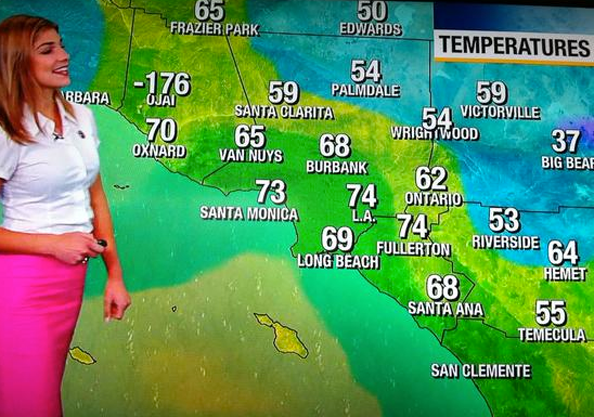
As of October 2023, Los Angeles is experiencing a range of temperatures typical for this time of year. Daily highs are averaging around 80°F (27°C) during the day, while nighttime temperatures can drop to around 60°F (16°C). Recent weather patterns indicate that LA has been cooler than previous years, with seasonal shifts prompting discussions about climate variability.
Unusual Weather Patterns
This year, California has faced several unusual weather patterns, including sporadic heat waves. A report from the National Weather Service noted that despite a slight decrease in overall summer temperatures this year, certain heat events have pushed temperatures into the 90s (32°C) for brief spells in late September and early October. The fluctuation in temperature can affect various sectors, including agriculture and tourism.
Impact on Residents
The impact of temperature changes is most acutely felt by LA’s diverse population. Health experts warn that older adults and individuals with pre-existing health conditions face increased risks during heat spells. Moreover, the rising temperatures have led to increased energy consumption, affecting electricity bills and creating strains on the power grid, particularly during peak usage times.
Climate Change Considerations
Climate change continues to be a pressing concern for Los Angeles. A report from the California Climate Change Center highlights the long-term trends showing higher average temperatures and prolonged heat waves in the coming decades. City officials have initiated various strategies to combat these effects, including increasing green spaces, promoting public transportation, and implementing energy efficiency programs.
Conclusion
In summary, understanding the temperature in LA is not just about checking the daily forecast; it is about recognizing the broader implications for public health, infrastructure, and climate policies. As temperatures continue to fluctuate, both residents and officials must adapt to these changes to ensure a sustainable and healthy environment. It’s essential for readers to keep informed and prepared as LA navigates the complexities of its climate and weather patterns.