Introduction
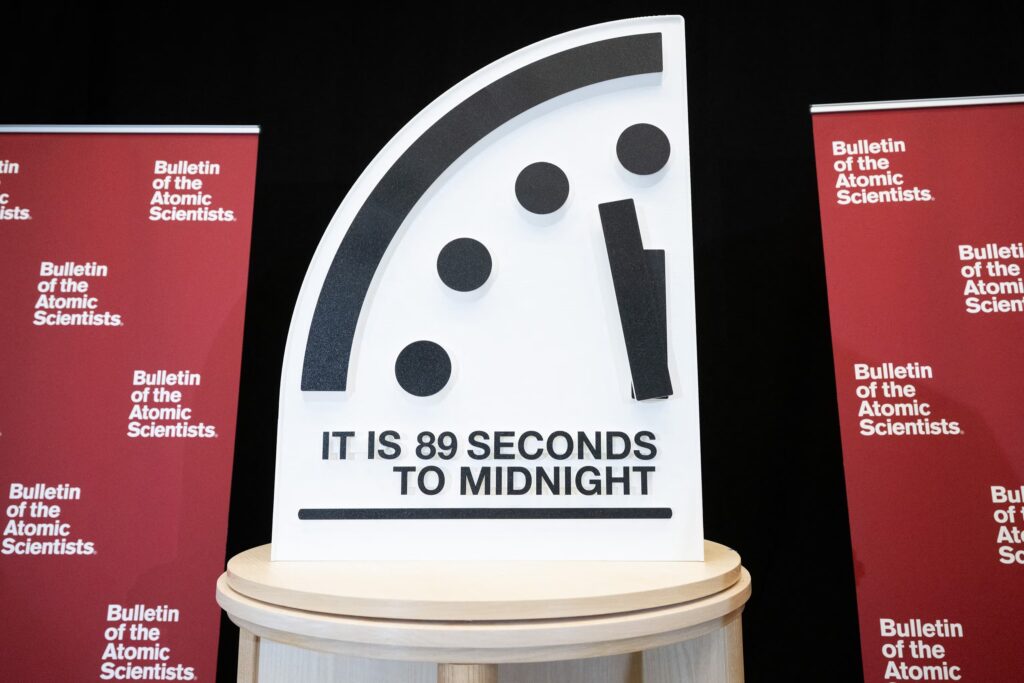
The Doomsday Clock is a symbolic representation created by the Bulletin of the Atomic Scientists to indicate the proximity of human-made global catastrophe. It serves as a clear warning to humanity, gauging threats to civilization such as nuclear risk, climate change, and emerging technologies. As we progress toward 2026, the current time on the Doomsday Clock is particularly significant, representing the escalating dangers we face in today’s world.
The Current State of the Clock
As of January 2023, the Doomsday Clock stands at 100 seconds to midnight, the closest it has ever been since its inception in 1947. This minute hand emphasizes the urgency of addressing pressing global issues, characterized by heightened tensions among nuclear-armed states, the ongoing effects of climate change, and the rise of misinformation in the digital era. In 2026, experts predict that failure to address these issues may push the clock even closer to midnight.
The Growing Threat of Climate Change
One of the most pressing issues contributing to the position of the Doomsday Clock is climate change. With extreme weather events becoming more frequent, scientists warn of dire consequences if immediate action is not taken to reduce carbon emissions. If current trends continue, the impacts will not only destabilize ecosystems but also lead to increased social and political unrest, posing profound security risks worldwide.
Nuclear Risks and Geopolitical Tensions
In addition to climate concerns, rising nuclear tensions among nations such as the United States, Russia, and North Korea significantly contribute to the clock’s current time. The ongoing war in Ukraine has reignited fears regarding nuclear confrontations, prompting calls for diplomatic solutions to de-escalate tensions. Experts emphasize that nuclear arms control agreements are critical moving forward.
Conclusion
The significance of the Doomsday Clock in 2026 acts as a clarion call for global awareness and action. As humanity faces unprecedented challenges, it is imperative for governments, organizations, and individuals to take responsibility in fostering global cooperation and sustainable actions. The clock serves not only as a warning but also as a guide, highlighting the crucial need for immediate action to avoid the catastrophic potential looming just ahead of us. Addressing these issues now will define our future and possibly turn the clock backward instead of forward to midnight.