Introduction
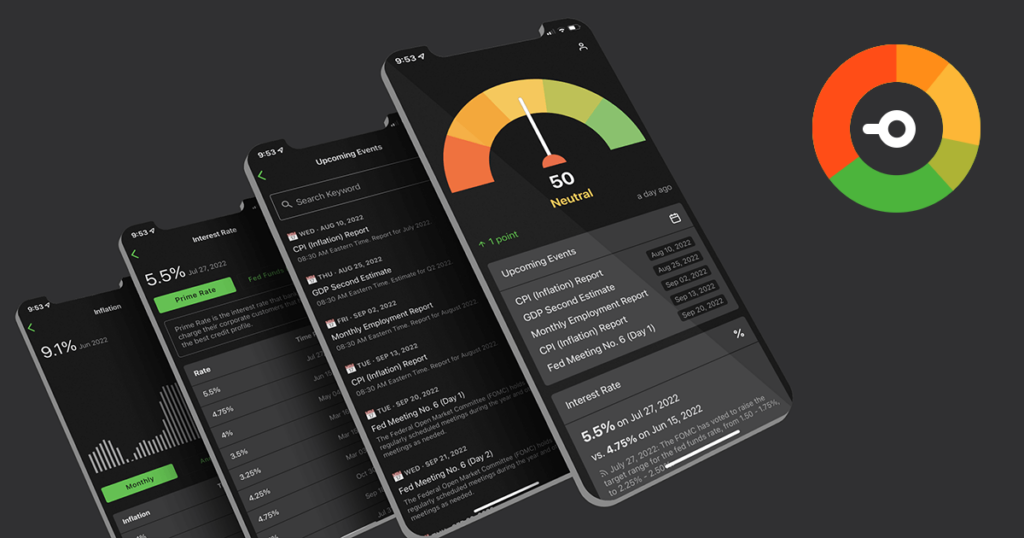
The Fear and Greed Index is a crucial tool for investors, as it measures market sentiment based on various indicators. Developed by CNNMoney, this index assesses how fear or greed can drive market trends, influencing investors’ decisions. Understanding the Fear and Greed Index is significant, particularly in volatile economic conditions, as it can help forecast market movements and investor psychology.
What is the Fear and Greed Index?
The Fear and Greed Index utilizes seven different factors to quantify market emotions. These factors include:
- Market Momentum: Measures stock price momentum compared to their historical performance.
- Stock Price Strength: Assesses the number of stocks hitting new highs versus those hitting lows.
- Market Volatility: Tracks volatility by comparing the S&P 500’s current level to its historical averages.
- Safe Haven Demand: Looks at the demand for safe-haven assets like gold and bonds compared to stocks.
- Put and Call Options: Analyzes the ratio of put options to call options traded.
- Junk Bond Demand: Measures the demand for riskier assets like junk bonds.
- Market Sentiment: Surveys investor sentiment through polls and other data.
These indicators are compiled to produce a score that ranges from 0 to 100, where 0 indicates extreme fear and 100 indicates extreme greed.
Recent Trends and Current Events
As of October 2023, the Fear and Greed Index has seen fluctuating scores reflecting the ongoing economic concerns stemming from factors such as inflation, interest rate hikes, and geopolitical tensions. Recently, a score in the range of 30 indicates heightened fear among investors, suggesting cautious market behavior. Analysts point to inflation pressures and the potential for recession as factors contributing to this fear-based sentiment. Conversely, periods of increasing stock prices may reflect greed as investors grow more optimistic.
Conclusion
The Fear and Greed Index serves as a barometer for market sentiment that can guide investors in making informed decisions. Understanding its fluctuations can provide insights into the likely future movements of the stock market and help mitigate risks during turbulent times. Investors should keep an eye on this index, as it not only reflects current market behavior but also serves as a reminder of the emotional factors that can influence financial decisions. As economic conditions evolve, staying attuned to shifts in fear and greed will be critical for navigating the investment landscape.