Introduction
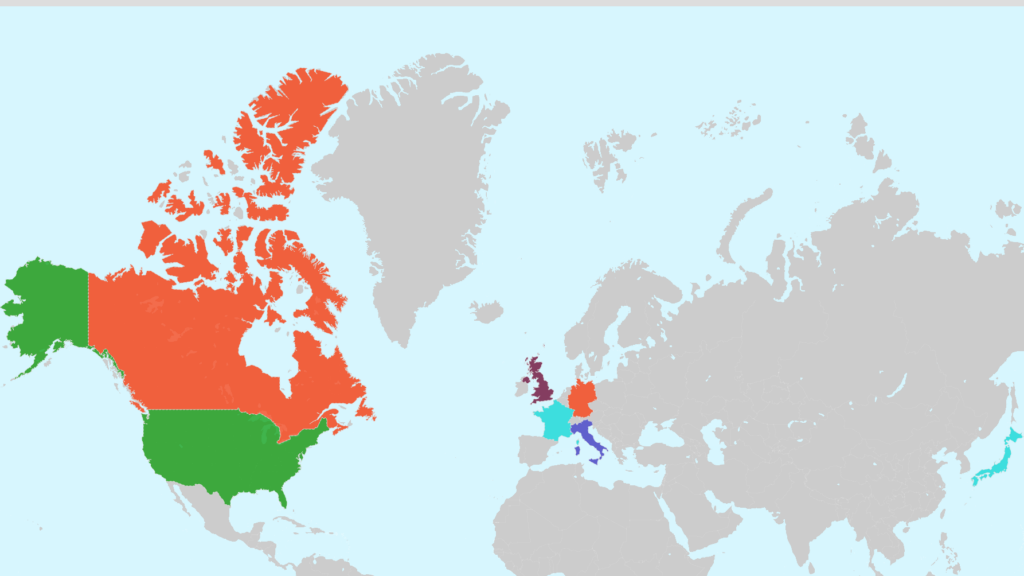
The G7 countries, encompassing some of the world’s largest advanced economies, hold significant influence over global economic policies and international relations. Comprising Canada, France, Germany, Italy, Japan, the United Kingdom, and the United States, the G7 plays a crucial role in addressing global challenges such as climate change, economic inequality, and geopolitical tensions. Their collective decision-making shapes the economic landscape, making understanding their dynamics imperative for citizens and policymakers alike.
Recent Developments
In recent months, the G7 nations have convened to tackle pressing global issues. The annual G7 summit, held in Hiroshima, Japan in May 2023, marked a pivotal moment as the leaders discussed not only economic recovery post-pandemic but also strategies to counteract the rising threat posed by authoritarian regimes, particularly in the context of Russia’s war in Ukraine and China’s expanding global influence.
One of the key outcomes of the summit was the commitment to a united front against economic coercion and the reinforcement of democratic values worldwide. Additionally, G7 leaders announced a framework for developing sustainable energy investment, aiming to fulfill climate obligations while promoting economic growth.
Economic Aspects
The G7 economies collectively account for over 40% of global GDP and significant shares of international trade. Recent data indicates that these nations are grappling with a post-pandemic recovery characterized by inflationary pressures and supply chain disruptions. Each member nation is adjusting its fiscal policies to stabilize economies while supporting vulnerable populations affected by these economic shifts.
Moreover, a focus on sustainable development and green technologies was evident during the discussions, signaling an important shift towards environmentally conscious policies in economic planning.
Conclusion
The significance of the G7 countries extends beyond economic management; they also serve as a diplomatic coalition addressing some of the 21st century’s most daunting challenges. As global dynamics continue to evolve, the future roles of these nations will be pivotal in shaping international cooperation and governance. Monitoring G7 activities and decisions is crucial for understanding potential shifts in global policy, trade relations, and collective responses to crises.