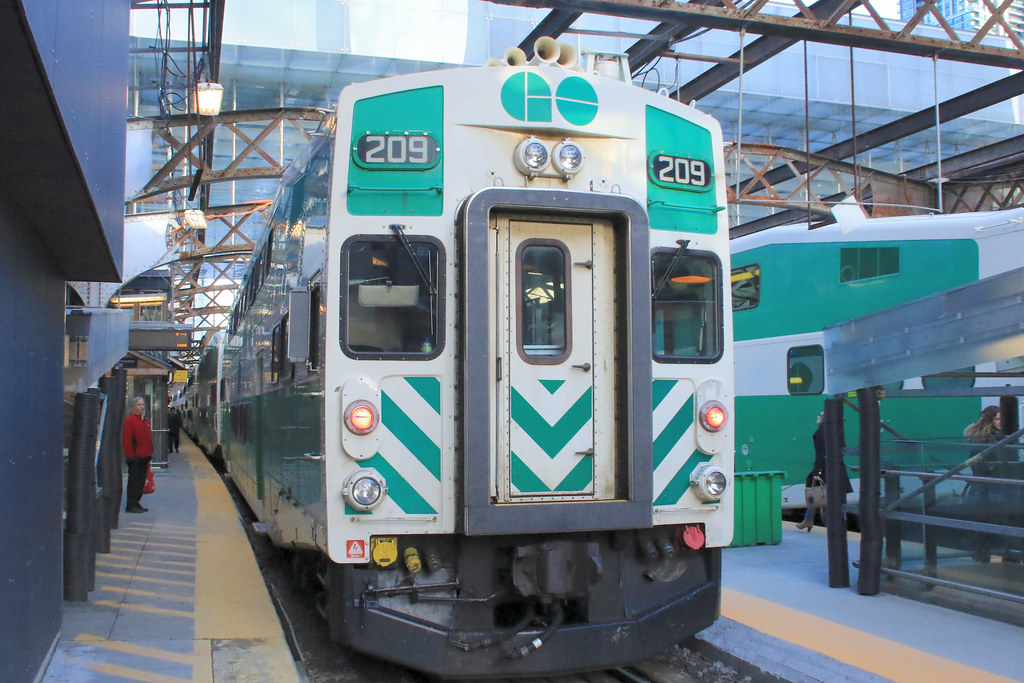
Introduction to the GO Train
The GO Train service plays a crucial role in Ontario’s public transit, linking cities and easing the daily commutes for thousands of residents. Introduced in 1967, the GO Train has become synonymous with reliable regional transportation, allowing individuals to travel seamlessly between urban areas without relying solely on personal vehicles. With the increasing population and urban sprawl, efficient transit systems like the GO Train have become more important than ever.
Recent Developments in the GO Train Service
Over the past few months, significant enhancements have been made to the GO Train service. Metrolinx, the provincial agency responsible for the GO transit system, has introduced upgraded trains that prioritize energy efficiency and passenger comfort. These new, modernized trains are equipped with Wi-Fi, improved seating, and increased capacity to accommodate the growing number of passengers.
In 2023, Metrolinx reported a notable ridership increase of over 15% compared to last year, as many people are returning to in-person work and opting for public transit to avoid traffic congestion in urban areas. Furthermore, in response to passenger feedback, GO Train schedules have been adapted to offer more frequent service during peak commuting hours.
Investment and Expansion Efforts
In line with its commitment to enhancing public transportation, the Ontario government announced a multi-million dollar investment aimed at expanding the GO Train network over the next decade. This expansion is slated to include new routes and increased service frequencies, particularly in areas like Durham, Hamilton, and the outer suburbs of Toronto. These efforts are not only intended to facilitate easier commuting but also to encourage sustainable transportation practices and reduce greenhouse gas emissions.
Future Outlook and Significance
The future of the GO Train service looks promising, with ongoing improvements aimed at meeting the needs of Ontario’s expanding population. As urban areas continue to grow, it is expected that the demand for efficient public transit will rise, placing greater importance on services like the GO Train. Encouraging commuters to choose the GO Train over personal vehicles can significantly contribute to reducing traffic congestion and lowering pollution levels in Ontario.
In conclusion, the GO Train is not just a means of transport but an essential component of the province’s infrastructure that supports economic growth, environmental sustainability, and quality of life for residents. The continuous development of the GO Train services makes it a vital part of achieving a more connected and eco-friendly Ontario.