Introduction to Weather Radar Maps
Weather radar maps are vital tools used by meteorologists and the general public to monitor atmospheric conditions, helping predict severe weather events. As climate change continues to impact weather patterns, the relevance of accurate real-time data has never been more crucial for safety and preparedness.
How Weather Radar Works
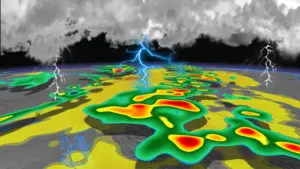
Weather radars transmit radio waves into the atmosphere, which bounce off precipitation particles. By analyzing the returned signals, meteorologists can determine the location, intensity, and movement of rain, snow, and other weather phenomena. This technology enables the creation of detailed radar maps that depict real-time weather conditions across vast areas.
Recent Developments in Weather Radar Technology
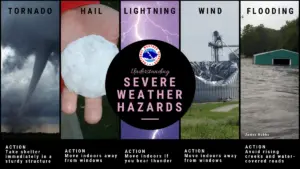
Recent advancements in radar technology have led to significant improvements in weather forecasting accuracy. The National Oceanic and Atmospheric Administration (NOAA) has invested in dual-polarization radar systems that offer better differentiation between types of precipitation, enhancing the ability to predict severe weather events such as tornadoes and flash flooding. These upgrades are particularly important given the recent increase in extreme weather occurrences across Canada.
Impact of Weather Radar Maps on Daily Life
For the public, weather radar maps serve as a critical resource for daily planning. From deciding whether to carry an umbrella to preparing for potential storm disruptions, real-time data from radar systems translates into informed decisions. Businesses in agriculture, transportation, and tourism particularly benefit from accurate weather forecasts, allowing for better operational planning and resource allocation.
The Future of Weather Radar
Looking ahead, the integration of weather radar data with advanced machine learning algorithms promises to enhance predictive capabilities further. This fusion of technology may soon allow for hyper-local weather predictions, essential for urban areas prone to sudden weather changes. Increased accessibility to weather radar apps and online platforms also empowers individuals to take an active role in monitoring the weather conditions around them.
Conclusion
Weather radar maps play an indispensable role in modern meteorology and everyday life. As the implications of climate change continue to unfold, understanding and utilizing these tools are crucial for effective weather forecasting and community preparedness. By staying informed through accurate radar data, individuals and organizations can better navigate the uncertainties of changing weather patterns.