Introduction
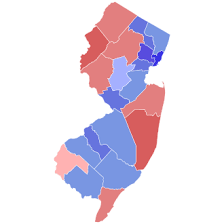
The New Jersey election scheduled for November 2023 is poised to play a crucial role in shaping the future of state governance and local community policies. As a politically charged state, New Jersey’s electorate is expected to engage in discussions around pressing issues such as affordable housing, public safety, and infrastructure. With key positions up for grabs, including several state legislative seats, this election will likely influence the political landscape for years to come.
Key Issues at Stake
Among the primary topics drawing voters’ attention in the upcoming New Jersey election is the affordable housing crisis. Campaigns will focus on strategies to increase housing availability and reduce homelessness, especially in densely populated urban areas. Additionally, public safety measures, particularly in the wake of concerns over crime rates in certain neighborhoods, are expected to dominate discussions. Candidates will propose various approaches to fostering community policing and providing more resources for local law enforcement.
Major Candidates
As of now, several prominent candidates from both major parties have begun to emerge. Leading the Democratic charge is Governor Phil Murphy, who is seeking to maintain his position amid growing concerns about inflation and economic recovery in post-pandemic New Jersey. His administration’s focus on green energy and racial equity in housing policy remains at the forefront of his campaign strategy.
On the Republican side, challengers such as former Assemblyman Jack Ciattarelli are positioning themselves as strong alternatives, advocating for tax reform and business deregulation to invigorate the state’s economy. Their campaigns will seek to leverage dissatisfaction among voters related to taxation and state spending.
Voter Engagement and Turnout
Most experts agree that voter turnout will be a critical factor in the 2023 election. New Jersey has experienced fluctuations in voter engagement in recent elections. Efforts are underway, led by both parties, to mobilize voters through outreach programs aimed at underrepresented communities. Key initiatives include promoting early voting and mail-in ballots to ensure higher participation rates, particularly among young voters who are increasingly significant in shaping electoral outcomes.
Conclusion
The New Jersey election of 2023 is gearing up to be a critical juncture in the state’s political narrative. With pressing issues at stake and a competitive field of candidates, residents are encouraged to engage in the electoral process, informed by robust dialogue about the challenges facing their communities. As New Jersey moves closer to election day, the implications of voters’ choices will resonate through local and state governance, influencing policies that affect daily lives.