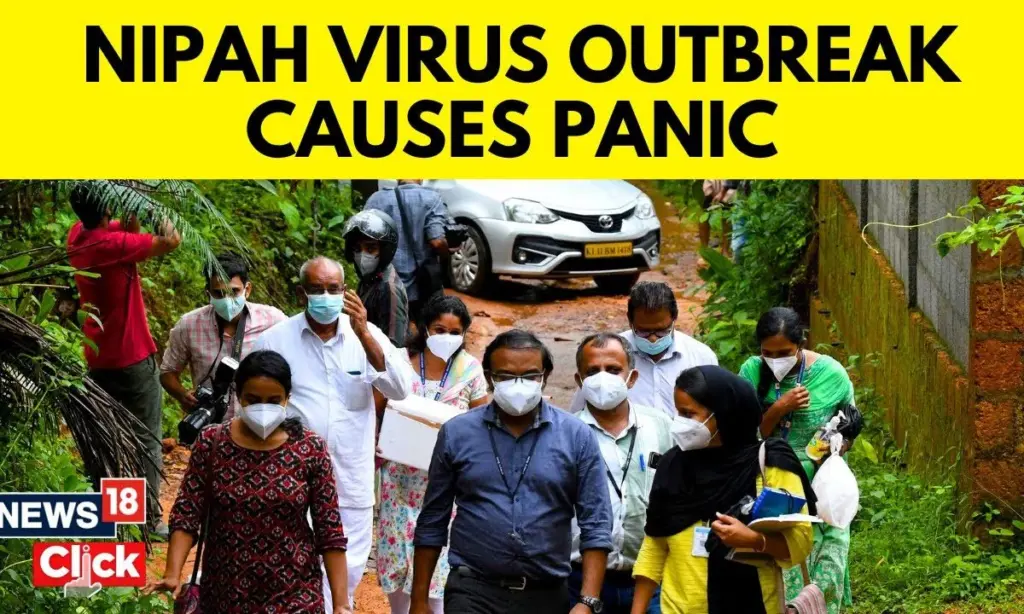
Introduction to the Nipah Virus
The Nipah virus is a zoonotic virus that poses a significant risk to public health due to its high mortality rate and potential for human-to-human transmission. With recent reports of outbreaks worldwide, the vigilance of health authorities in Australia has increased, leading to urgent measures to prevent the virus from reaching Australian shores.
Recent Developments
As of October 2023, several cases of Nipah virus have been reported in Southeast Asia, particularly in Bangladesh and India, where outbreaks have seen a resurgence. These regions continue to struggle with the virus, which is primarily transmitted from animals to humans, often through contact with infected bats or pigs. Following these developments, the Australian government has ramped up its biosecurity measures and health alerts, focusing on surveillance in both wildlife and domestic animals.
The Australian Department of Health is closely monitoring imported goods and has issued health advisories to travelers returning from affected regions. The emphasis is on educating the public about the symptoms of the virus, which can include fever, headaches, and severe respiratory issues, escalating to neurological symptoms in severe cases.
Preventive Measures
In anticipation of potential cases, public health authorities are urging medical professionals to remain vigilant. Healthcare facilities across the country are enforcing stricter protocols, including isolation procedures for any suspected cases and thorough contact tracing. They are also ensuring that emergency response plans are updated and in place to tackle any potential outbreak swiftly.
Furthermore, the federal government is working with veterinary authorities to monitor any emerging cases in wildlife and livestock, emphasizing the importance of early detection.
Conclusion and Significance
The Nipah virus outbreak is a significant concern for public health, not only in Southeast Asia but globally. For Australians, the response to this threat highlights the importance of biosecurity and public health awareness. Moving forward, it is crucial for citizens to stay informed about potential health risks and adhere to guidelines issued by health authorities to protect themselves and their communities.
The collaboration between government agencies, health departments, and the public can help prevent an outbreak in Australia. Health experts anticipate that with continued vigilance and public education, the impact of Nipah virus can be minimized.