Introduction
The Olympic Rings are one of the most recognizable symbols in the world, representing the Olympic Games and the ideals of unity, peace, and sporting excellence. Created in 1913 by Pierre de Coubertin, the founder of the modern Olympics, this emblem has transcended geographical and cultural barriers, embodying the spirit of the international sporting event. As the world prepares for the upcoming Olympic Games in Paris 2024, understanding the Olympic Rings and their significance becomes increasingly relevant.
Meaning Behind the Rings
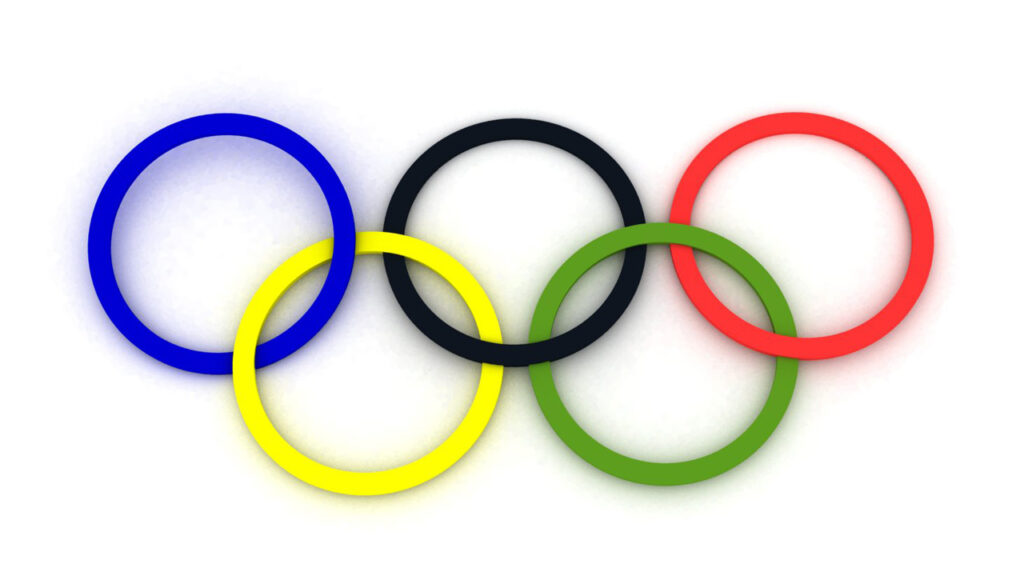
The Olympic Rings consist of five interlocking circles, each representing one of the five inhabited continents: Africa, the Americas, Asia, Europe, and Oceania. The colors—blue, yellow, black, green, and red—were chosen because at least one of these colors can be found in the flag of every nation participating in the Olympic Games. This symbol is not merely a branding tool; it conveys a powerful message of inclusion and international friendship.
Recent Events and Developments
In recent months, the Olympic Rings have gained renewed attention as the world gears up for the 2024 Summer Olympics in Paris. Organizers are emphasizing sustainability and innovation, aligning with the values represented by the Olympic Rings. For the first time, the Paris 2024 Games plan to utilize existing venues to minimize environmental impact, reflecting a commitment to the Olympic Movement’s values of responsibility and respect for the planet.
Furthermore, debates surrounding the meaning of the Olympic Rings in relation to various socio-political issues have surfaced, particularly regarding athletes’ rights and expressions of social justice. The International Olympic Committee (IOC) has been proactive in addressing these concerns while striving to maintain the integrity of the Olympic philosophy.
Conclusion
The Olympic Rings stand as a timeless symbol of unity and competition that transcends borders and cultures. As the Paris Games approach, it is essential for fans and athletes alike to reflect on the true essence of the Olympic Movement and what the Rings represent. The events in Paris will not only showcase athletic prowess but will also continue the conversation about inclusivity, sustainability, and the role of sports in society. For everyone invested in the Olympic legacy, the Rings will always serve as a reminder of the power of collaboration and global friendship, inspiring future generations to strive for excellence together.