Introduction
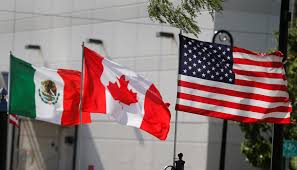
The US Canada trade deal, officially known as the United States-Mexico-Canada Agreement (USMCA), plays a crucial role in shaping the economic landscape of North America. As one of the largest trading relationships globally, the deal impacts millions of jobs, international supply chains, and consumer prices. Understanding this trade agreement is essential for Canadian and American citizens alike, especially in a rapidly changing global economy.
Key Features of the Deal
The USMCA builds upon its predecessor, the North American Free Trade Agreement (NAFTA), and was implemented on July 1, 2020. Major provisions include:
- Increased Market Access: The agreement expands access for U.S. dairy, poultry, and egg products into the Canadian market, while Canada maintains its supply management system.
- Labor Provisions: New labor regulations require a minimum percentage of auto parts to be manufactured in countries that allow workers to earn at least $16 per hour, intended to shift jobs back to North America.
- Environmental Standards: USMCA includes commitments to protect the environment, with enforceable provisions that promote sustainable practices in all three countries.
Current Events and Developments
Recently, the ongoing discussions around the implementation of the USMCA have gained attention as the global supply chain issues continue to pose challenges. The supply-chain crisis exacerbated by the COVID-19 pandemic and geopolitical tensions has prompted both the U.S. and Canada to assess their dependencies on foreign markets, particularly concerning critical goods. Furthermore, negotiations regarding the interpretation of rules of origin in the auto sector have emerged as a focal point in ensuring compliance with the agreement.
Conclusion
The significance of the US Canada trade deal extends beyond mere economics; it reflects the interconnectedness of North American economies. As both nations navigate challenges and opportunities presented by the agreement, ongoing collaboration and commitment to adhering to trade provisions will be essential. Looking ahead, industries and consumers alike must stay informed about potential changes that could affect their livelihoods and purchasing power. The USMCA stands as a framework intended to promote stability and growth while adapting to an evolving global marketplace.