Introduction
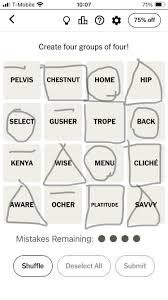
The terms trope, cliche, and platitude are often used in discussions about literature, rhetoric, and everyday communication. Understanding these concepts is crucial, as they play significant roles in shaping narratives and conveying messages. These terms also reflect cultural attitudes and trends, making their relevance in both contemporary and classic texts paramount.
Defining the Terms
A trope is a figurative or metaphorical use of a word or expression. In literature, tropes may refer to common themes or motifs, such as the ‘hero’s journey’ or ‘forbidden love’. Tropes allow for creativity within established frameworks and can express complex ideas succinctly.
A cliche, on the other hand, is an expression that has been overused to the point of losing its original meaning or impact. Phrases like ‘time heals all wounds’ or ‘think outside the box’ exemplify cliches. While often well-intentioned, cliches can detract from meaningful conversation or narrative due to their predictability.
Lastly, a platitude is a statement that is considered banal, trite, or lacking in originality, often a moral or ethical proposition. Statements such as ‘all is fair in love and war’ or ‘actions speak louder than words’ are platitudes that may resonate at a superficial level but fail to provoke deeper thought or reflection.
Current Trends in Literature and Communication
In recent years, writers and speakers have increasingly sought to avoid tropes, cliches, and platitudes, aiming for originality and authenticity. This shift aligns with growing audiences that appreciate innovative storytelling and fresh perspectives. For example, in contemporary literature, authors often subvert expected tropes to surprise readers and convey complex social messages.
Moreover, with the rise of social media, the pitfalls of using cliches and platitudes have become more apparent. Social media platforms amplify the proliferation of overused phrases, leading to a saturation of ideas that lack depth. Circular discussions often arise from these repeated expressions, prompting a demand for more engaging and substantive content.
Conclusion
Recognizing the nuances between tropes, cliches, and platitudes can enhance both comprehension and creativity in communication. As the art of storytelling and discourse evolves, audiences are becoming more discerning, favoring originality and meaningful content. For writers, speakers, and communicators, avoiding these pitfalls is essential to engage effectively with their audience. The significance of understanding these terms lies not only in literary critique but in the broader context of societal discourse, where fresh ideas and authentic voices are increasingly valued.