Introduction
In the realm of entertainment, the illusion of magic captivates audiences worldwide. The film series ‘Now You See Me’ gives viewers a front-row seat to thrilling heists and elaborate illusions performed by a group of skilled illusionists. Released in 2013, the first installment of the series became a landmark in combining action, drama, and magic that left audiences both entertained and mystified. With its sequel, ‘Now You See Me 2,’ in 2016, the franchise has sparked significant interest in the art of illusion and performance, making it a relevant topic for discussions surrounding magic and cinematic storytelling.
Details of the Films
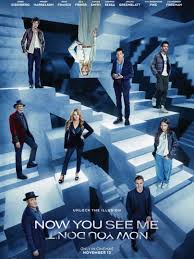
The ‘Now You See Me’ series revolves around a group of illusionists known as the Four Horsemen, played by an ensemble cast including Jesse Eisenberg, Woody Harrelson, and Isla Fisher. These performers use their skills in magic to not only entertain but to pull off elaborate heists that expose greed and corruption. The films skillfully combine illusion with elements of crime, creating a unique narrative that challenges viewers’ perceptions of reality.
In the first film, the story unfolds as the Four Horsemen perform a series of high-stakes magic shows, culminating in the spectacular theft of a bank in Paris during their performance. The sequel follows the team as they confront a tech-savvy criminal bent on stealing secrets using advanced magic tricks.
Significance and Impact
Beyond their commercial success, the ‘Now You See Me’ films have rekindled interest in magic as a performing art. According to a 2019 study by the Magic Circle, young magicians have reported increased participation in magic clubs and performances since the films’ releases. The series has also led to discussions on the ethics of performance, illusion, and their representation of crime and justice.
As audiences continue to seek escapism through cinematic experiences, magic and illusion remain powerful symbols of wonderment and the human capacity for creativity. The ‘Now You See Me’ series not only entertains but also highlights the intricate art of illusion, provoking thoughts on belief and deception in modern society.
Conclusion
As we look to the future, the influence of films like ‘Now You See Me’ is evident in the resurgence of interest in magic among younger generations. The enchanting allure of illusions will likely continue to thrive, both on the silver screen and in live performances. As new technologies emerge, the fusion of traditional magic with cutting-edge techniques will further blur the lines between reality and illusion, keeping audiences guessing and enthralled for years to come.