Introduction
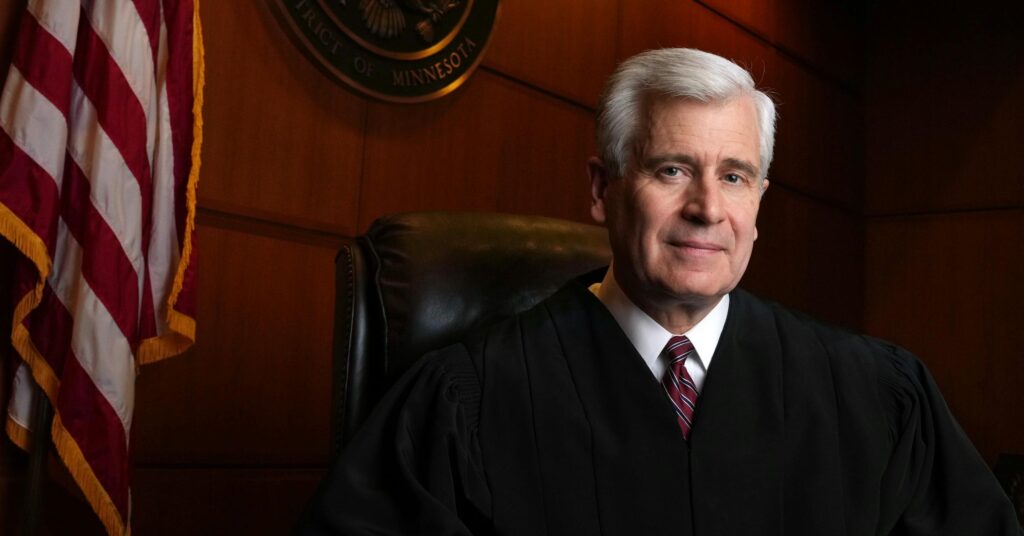
Chief Judge Patrick Schiltz of the United States District Court for the District of Minnesota has become a significant figure in the federal judiciary. His rulings and judicial philosophy are pivotal not only for Minnesota but also for broader legal precedents that impact various areas of law. Understanding his insights and recent developments is crucial for legal practitioners, policymakers, and citizens interested in judicial matters.
Recent Developments
Chief Judge Schiltz recently made headlines with his decision in a high-profile civil lawsuit that addresses critical issues surrounding civil rights and individual liberties. The case involved allegations of unlawful search and seizure, raising concerns over Fourth Amendment protections. Schiltz emphasized the importance of judicial accountability and the need to protect citizens’ rights against governmental overreach.
In addition to his judicial duties, Schiltz has also been active in promoting judicial education and outreach. He has participated in various community events, speaking on the significance of understanding the law and the judiciary’s role in democracy. His commitment to transparency and public engagement reflects a growing trend among judges to foster greater trust in the legal system.
Judicial Philosophy
Schiltz’s judicial philosophy underscores the need for a balanced approach between upholding the law and ensuring justice. He often incorporates a detailed analysis of existing precedents while also considering the real-world implications of his decisions. This philosophy resonates with many who advocate for a judiciary that is not only bound by the law but is also responsive to contemporary societal needs.
Conclusion
As Chief Judge Patrick Schiltz continues to navigate complex legal waters, his role will likely influence other jurisdictions across the United States. Legal professionals, students, and citizens alike should pay attention to his future rulings and community engagements, as they might set important precedents and inspire broader discussions about civil rights and judicial responsibility. With trends pointing toward more transparency and accountability in the judiciary, Schiltz’s contributions will remain relevant for years to come.