Introduction
The story of a U.S. Army veteran facing deportation has garnered significant media attention, highlighting the intersection of military service and immigration policy. This case raises critical questions about the treatment of veterans and the implications of immigration enforcement, particularly for those who have served their country.
The Case Details
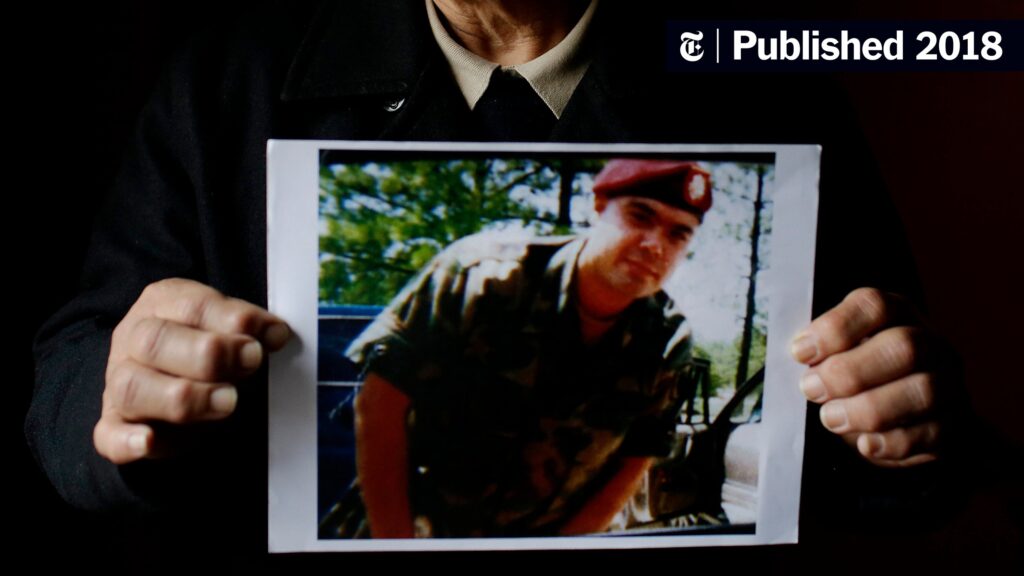
Jose De La Cruz, a 38-year-old Army veteran, was informed of his impending deportation after being detained by immigration authorities. De La Cruz, who served active duty in Afghanistan, received an honorable discharge but later faced challenges adjusting to civilian life. He was involved in legal issues that resulted in a felony conviction, a key factor in his deportation.
Despite being a legal permanent resident for over 20 years, authorities have moved forward with deportation proceedings, arguing that criminals—regardless of military service—pose a threat to public safety. This case has ignited conversations about how veterans are treated under U.S. immigration laws and the support systems in place for veterans transitioning back into civilian life.
Community Response
The detention of De La Cruz has sparked outrage and mobilization efforts among veterans’ groups and immigration advocates. Multiple rallies and petitions have emerged, calling for a reassessment of his case. Advocates argue that veterans who risk their lives for the nation should not face the same immigration consequences as other civilians. Prominent lawmakers have also weighed in, urging the Department of Homeland Security to reconsider the strict application of immigration laws against veterans.
Conclusion
The future of Jose De La Cruz remains uncertain as legal challenges continue. His case serves as a poignant reminder of the complexities surrounding immigration policy, particularly for military veterans. As discussions about veterans’ rights and immigration practices evolve, De La Cruz’s plight could set a precedent for how similar cases are handled in the future. The hope is that this situation can lead to more compassionate and fair treatment for those who have devoted their lives to serving their country.