In late 2025, safety concerns surrounding WestJet’s reconfigured seating arrangements came to light when a flight attendant reported a potential hazard to Transport Canada. This alert was prompted by an incident that occurred on November 29, 2025, during a flight from Cancun to Regina.
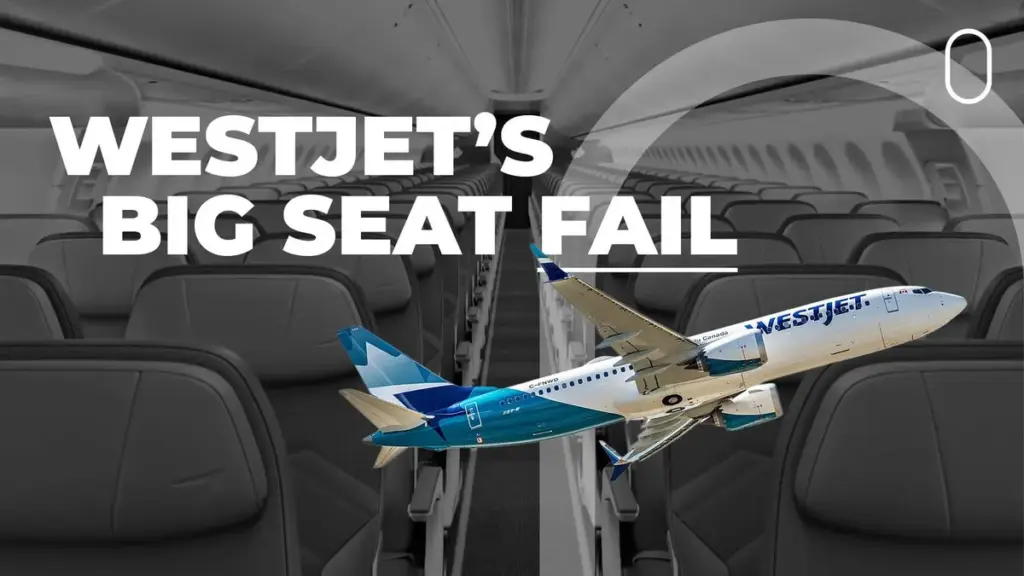
On that day, Rob Noble, a passenger measuring 6’3″, found himself unable to fit comfortably in his seat due to the newly densified seating layout, which had been altered to add an extra row, reducing legroom from the original configuration of 180 seats to 174. The flight attendant described the situation as an “imminent risk,” emphasizing that it was not safe for him to be sitting in that seat.
Following the incident, a safety hazard report was submitted to Transport Canada on December 5, 2025, detailing the risks associated with the seating configuration. The report spanned five pages and highlighted the physical entrapment experienced by Noble, who could not self-evacuate from his seat.
Lindsay Noble, Rob’s wife, expressed her frustration, stating, “It was not safe for him to be sitting in that seat.” This incident raised alarms not only for the Nobles but also for other passengers who might face similar challenges in the future.
WestJet responded to the concerns by announcing plans to reverse the seating layout on January 16, 2026, and to convert the remaining reconfigured planes back by the end of 2026. The airline assured the public that all modifications had been completed in accordance with Transport Canada’s rigorous airworthiness standards and WestJet’s own high internal safety requirements.
Transport Canada has committed to monitoring WestJet’s management of the risks associated with the seating configuration. However, it remains unclear if the investigation into the complaint from the WestJet employee has been completed. Additionally, Transport Canada did not respond to inquiries regarding why it did not intervene sooner after the safety risk was flagged.
As the situation develops, the community is left to ponder the implications of these safety concerns. The Nobles’ experience serves as a reminder of the importance of passenger safety and the need for airlines to prioritize the well-being of their customers.
Details remain unconfirmed regarding the ongoing investigation and the specific measures that will be implemented to ensure passenger safety in the future.