Introduction
Phishing has emerged as one of the most significant threats in the digital landscape, impacting millions of people globally. With fraudsters increasingly using sophisticated techniques to dupe unsuspecting users, it is vital for everyone to understand what phishing is and how to safeguard against it. This article aims to provide clarity on phishing and its implications for internet users in Canada.
What is Phishing?
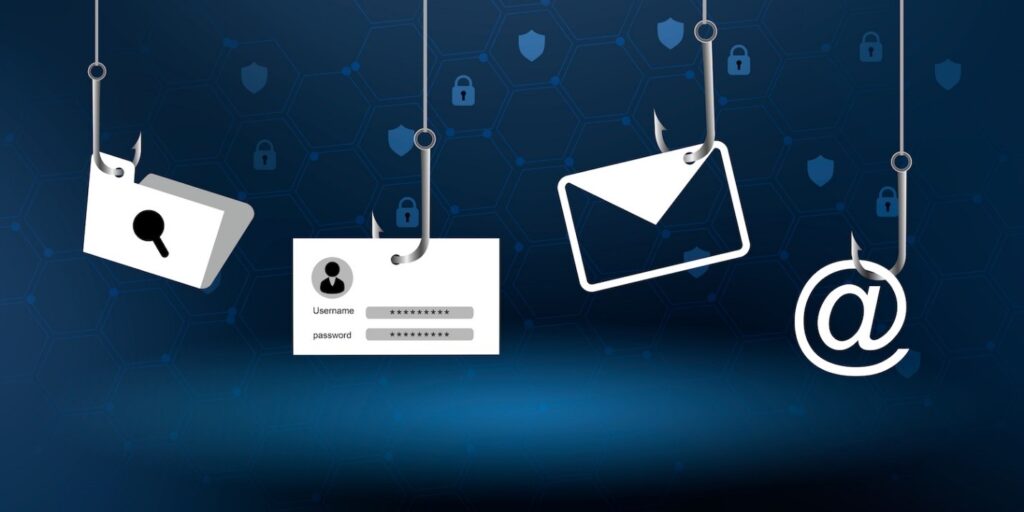
Phishing is a form of cybercrime that involves tricking individuals into revealing sensitive information, such as usernames, passwords, credit card numbers, or other personal data. Cybercriminals typically impersonate trustworthy entities, such as banks, social media platforms, or well-known companies, to lure victims into providing their confidential information. They accomplish this primarily through deceptive emails, text messages, or websites that appear legitimate.
How Phishing Works
Phishing schemes can take various forms, including:
- Email Phishing: The most common method, where individuals receive emails that appear to be from reputable sources, asking them to click on malicious links or provide sensitive information.
- SMS Phishing (Smishing): Cybercriminals send text messages that mimic legitimate communications, often containing links to fraudulent websites.
- Voice Phishing (Vishing): A method where fraudsters call victims and pose as legitimate entities, often to extract personal or financial information.
- Spear Phishing: A targeted form of phishing aimed at specific individuals or organizations, often using personal information to increase the chance of success.
Recent Trends and Statistics
<pAccording to the Anti-Phishing Working Group (APWG), phishing attacks reached an all-time high in 2022, with over 1.5 million reported incidents. Canada is not immune; many Canadians fall victim to these scams annually. As businesses and individuals continue to shift towards digital operations, the risks associated with phishing are expected to grow.
How to Protect Yourself
Protecting yourself from phishing attacks requires vigilance and knowledge. Here are some essential tips:
- Always verify the sender’s email address before clicking on any links.
- Be cautious with unsolicited messages or requests for sensitive information.
- Utilize security software that offers phishing protection.
- Enable two-factor authentication on your accounts for added security.
Conclusion
Phishing is a prevalent threat in today’s digital world, posing significant risks to individuals and organizations alike. Being informed about how phishing works and taking proactive measures to guard against it can save you from becoming a victim. As phishing tactics evolve, ongoing awareness and education remain crucial to staying safe in the ever-expanding digital landscape.