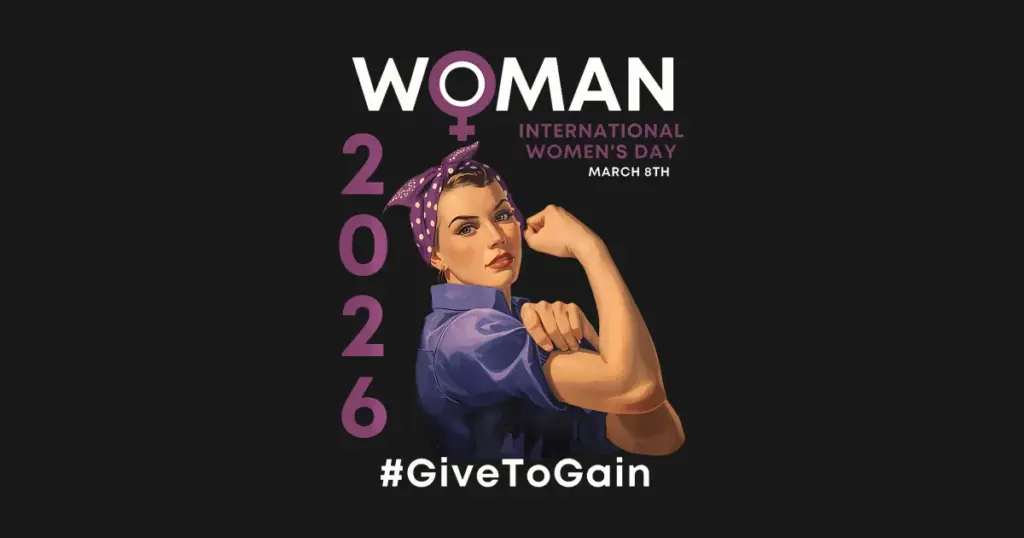
Impact of International Women’s Day 2026
International Women’s Day 2026, celebrated on March 8, is set to spotlight critical issues affecting women globally under the theme ‘Rights. Justice. Action. For ALL Women and Girls.’ This theme underscores the urgent need for comprehensive action to address the persistent inequalities that women face, particularly in health and social sectors.
Women represent 51% of the population in the WHO European Region, yet they continue to encounter significant barriers to health and safety. Alarmingly, nearly one in three women experiences physical or sexual violence at least once in her lifetime in this region. Such violence is not only a violation of human rights but also a major public health issue that affects women’s overall well-being.
Despite the alarming statistics, fewer than 40% of countries in the European region have adopted the minimum health service policies recommended by the World Health Organization (WHO) for post-rape care. This gap in healthcare provision highlights the systemic failures in addressing violence against women, which remains one of the most serious threats to women’s health and well-being worldwide.
Health Sector Leadership and Initiatives
The Second European Programme of Work 2026–2030 (EPW2) aims to prioritize stronger health sector leadership in preventing and responding to violence against women and girls. This initiative is crucial as women’s health is recognized as a cornerstone of equitable and resilient societies. The focus on health sector leadership is expected to drive improvements in the way healthcare systems respond to the needs of women, particularly those affected by violence.
Persistent inequalities in income, employment opportunities, education, and social protection continue to affect women throughout their lives. These disparities are shaped by multiple determinants, including cultural norms, environmental conditions, commercial influences, and economic status. Addressing these factors is essential for achieving gender equality and improving health outcomes for women.
Looking Ahead
As International Women’s Day 2026 approaches, organizations such as UNICEF, UN Women, and the United Nations Population Fund are expected to play pivotal roles in advocating for women’s rights and health. The success of these initiatives will depend on the collaboration of various stakeholders, including governments, health systems, and communities.
Details remain unconfirmed regarding specific actions that will be taken on this day, but the emphasis on rights and justice for women and girls remains a critical focus. The ongoing dialogue surrounding these issues is expected to continue, highlighting the need for sustained efforts toward achieving gender equality and improving health outcomes for women.