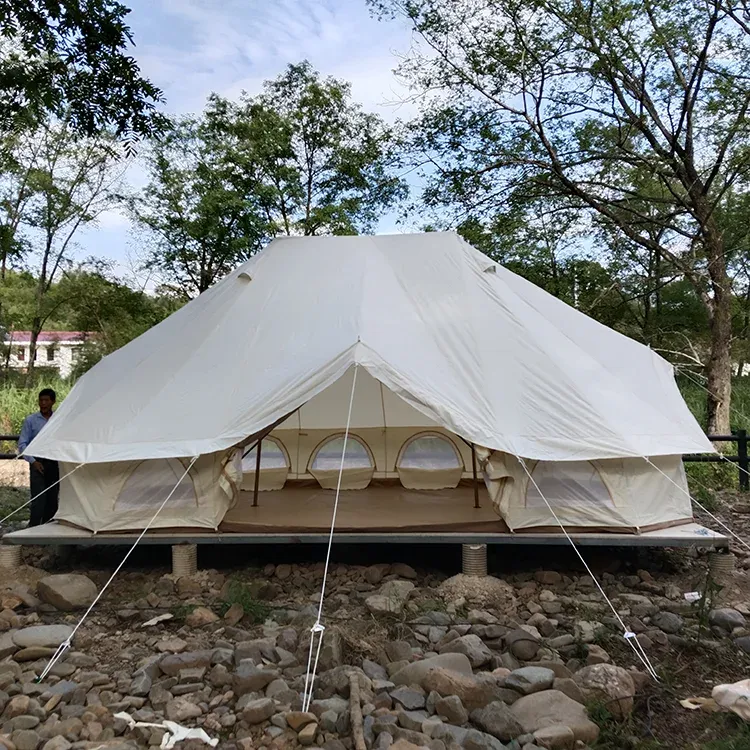
Will yurts become the future of housing in Kazakhstan?
The autonomous yurt is poised to become one of the most popular types of housing in Kazakhstan by the year 2100. This shift is driven by a growing desire for sustainable living and independence from urban utilities.
These innovative yurts will generate their own energy, recycle water, and operate without any connection to traditional urban infrastructure. As a result, around 30% of Kazakhstanis may choose to adopt a lifestyle far removed from megacities, opting instead for the simplicity and sustainability of yurt living.
Supporting this transition is the introduction of an ‘electronic shepherd,’ a technological advancement that will guide livestock across the steppe while monitoring their health. This integration of AI into traditional practices highlights a blend of heritage and modernity in Kazakhstan’s rural lifestyle.
Kazakhstan’s geographical advantages further enhance the feasibility of this trend. Being one of the sunniest countries in the world, it is well-suited for solar energy, which will play a crucial role in powering these autonomous yurts. Additionally, nuclear fusion technology is expected to provide stable energy during the colder winter months.
As the nation looks towards the future, projections indicate that Kazakhstan’s population could reach approximately 34 million people by 2100, according to United Nations estimates. This population growth, coupled with a projected GDP of around $4 trillion, positions Kazakhstan among the 25 largest economies globally.
Historically, Kazakhstan has been a nation where livestock represents wealth, history, and identity. The return to yurt living not only reflects a sustainable lifestyle choice but also honors the country’s rich cultural heritage.
While the future of yurt living appears promising, details remain unconfirmed regarding the exact timeline and implementation of these autonomous structures. The integration of advanced technologies into traditional lifestyles raises questions about the balance between innovation and cultural preservation.
As Kazakhstan moves forward, the potential for a significant lifestyle shift towards yurt living could redefine rural life in the country, making it a focal point for sustainable development and energy independence.