Introduction
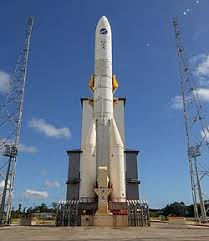
The Ariane 6 rocket, developed by the European Space Agency (ESA) and Arianespace, represents a significant advancement in Europe’s aspirations for space exploration and satellite deployment. With its maiden flight delayed to 2024, the Ariane 6’s development is crucial in maintaining Europe’s competitive edge in the ever-evolving landscape of the space industry. As countries globally ramp up their space capabilities, Ariane 6 is positioned to fill a vital role in the future of commercial and governmental space missions.
Development Timeline
The Ariane 6 program began in 2014 as a response to changing market demands for more cost-efficient and flexible launch solutions. Built primarily for large and small payloads, Ariane 6 is designed to handle a variety of missions, including launching satellites for telecommunications and Earth observation. Its development has focused on reducing costs while maintaining reliability, with the new launcher expected to be approximately 40% cheaper than its predecessor, Ariane 5.
Technical Specifications
Ariane 6 consists of two versions: the Ariane 6.2, designed for smaller payloads, and the Ariane 6.4, capable of carrying heavier loads. The vehicle will feature a modular design, allowing for various configurations depending on the mission requirements. Additionally, the rocket will utilize the Vulcain engine, which promises improved performance and environmental compatibility.
Current Updates and Challenges
As of late 2023, the Ariane 6 project faced delays primarily due to technical challenges related to its safety systems and integration processes. However, the engineering teams are optimistic about reaching the launch window in early 2024. In October 2023, a critical milestone was achieved with a successful testing phase of the rocket’s upper stage, providing confidence moving forward.
Significance for the Future
Ariane 6’s successful deployment will not only bolster European space capabilities but also enhance partnerships with international organizations. Its anticipated launch will play a crucial role in deploying next-generation satellites that contribute to global communication and climate observation efforts. Furthermore, it may influence the development of future space missions, including crewed endeavors to the Moon and beyond.
Conclusion
The Ariane 6 represents more than just a rocket; it is a symbol of European ambition in the face of global space exploration challenges. With its upcoming launch, the success of Ariane 6 will be pivotal for Arianespace and the European space industry as they strive for innovation and competitiveness. As the world keeps an eager eye on advancements in space technology, Ariane 6 is set to play a critical role in shaping future missions and international collaborations.