Introduction
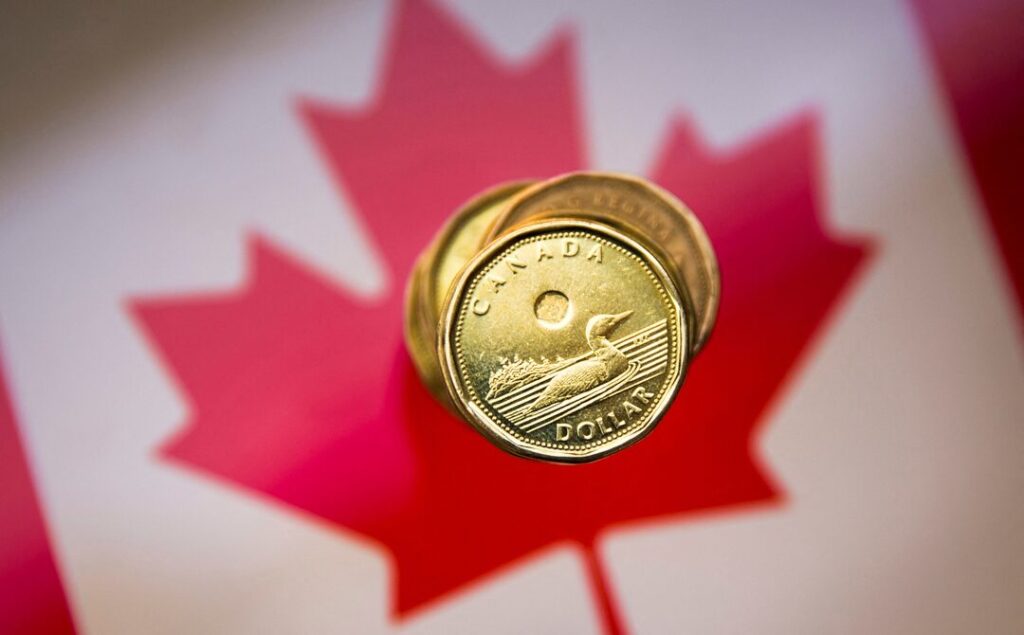
The Canadian dollar has been experiencing a notable rise in value recently, reflecting the positive economic developments across the nation. As many countries navigate through the aftermath of the pandemic, Canada’s economy shows resilience, bringing attention to the factors driving the Canadian dollar’s ascent. Understanding this trend is vital for investors, businesses, and consumers alike, as it could influence trade, inflation, and purchasing power.
Economic Indicators Driving the Climb
Recent data from Statistics Canada indicates significant growth in employment and manufacturing sectors. In August 2023, the unemployment rate dropped to an unprecedented 5.0%, down from 5.2% the previous month. Concurrently, the manufacturing index registered a robust increase, signaling strong demand for Canadian goods both domestically and internationally.
Additionally, rising oil prices, which is a key component of Canada’s export economy, have contributed to the appreciation of the Canadian dollar. As of mid-September, crude oil prices surged above $80 a barrel, benefiting the Canadian economy and boosting the currency’s strength on foreign exchange markets.
Monetary Policy and Interest Rates
The Bank of Canada (BoC) has played a crucial role in this financial landscape. In its latest monetary policy meeting, the BoC hinted at a possible increase in interest rates to combat inflationary pressures. Higher interest rates tend to attract foreign investors seeking better returns, which increases demand for the Canadian dollar and enhances its value.
Market Reactions
Market analysts have noted a positive sentiment among investors, leading to increased trading volume of the Canadian dollar. Leading financial institutions have updated their forecasts, anticipating that the currency may maintain its strength through the end of the year if current economic trends persist. Furthermore, the outlook for the global economy, particularly in major trading partners such as the United States, remains optimistic.
Conclusion
The recent climb of the Canadian dollar illustrates the ongoing recovery and strengthening of the Canadian economy. While external factors like global oil prices and economic conditions in partner nations will continue to play a significant role, the positive domestic economic indicators give reason for cautious optimism. Investors and businesses should stay informed as these dynamics evolve, understanding that the health of the Canadian dollar may influence various sectors, including tourism, import/export activities, and consumer purchasing power.