Introduction
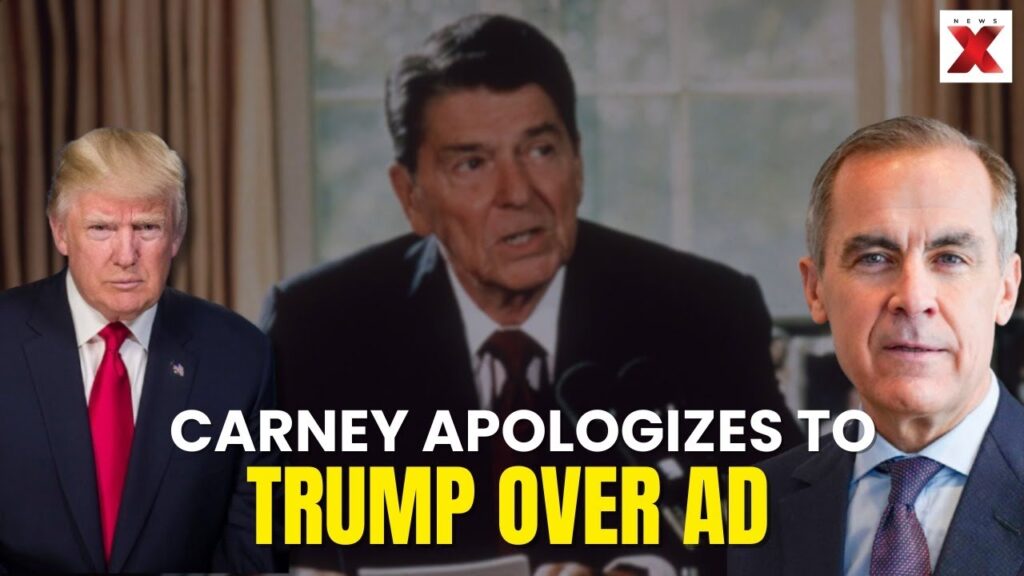
In the tumultuous landscape of U.S. politics, public apologies can stir significant media attention and public opinion. The recent speculation surrounding whether former Federal Reserve Chair and current Brookings Institution fellow Mark Carney issued an apology to former President Donald Trump has reignited discussions on political accountability and interpersonal relations among leaders. Understanding such dynamics can help shed light on the intricacies of political discourse and the impact of public relations in shaping narratives.
Details of the Allegations
On October 15, 2023, a report surfaced regarding comments Carney made about Trump during an economic summit in Toronto. Carney criticized Trump’s handling of economic policies, implying that they were damaging to U.S. economic stability. Shortly after, an uproar ensued among Trump’s supporters and several GOP figures. Many demanded that Carney retract his statements or apologize, viewing his remarks as unwarranted and disrespectful.
Following the backlash, sources indicated that Carney did indeed reach out to Trump’s team for a conversation. However, details regarding this interaction have been varied. Some insiders claim that Carney expressed regret over the bluntness of his earlier comments, without issuing a formal apology. Trump’s camp has remained relatively tight-lipped but has hinted that Carney’s acknowledgment of the potential impact of his words was appreciated.
The Political Dynamics
This incident highlights the complexities of the relationship between political figures and their public personas. While apologies can serve to mitigate tensions, the political implications often extend beyond a single statement. Analysts suggest that Carney’s nuanced response may reflect a strategic choice to maintain his academic and professional standing whilst appeasing political tensions with Trump’s base.
Moreover, the event feeds into a broader narrative about respect and propriety in political discourse, especially in light of an increasingly polarized public opinion. For leaders like Carney and Trump, statements are not just words but part of a larger game of engaging public sentiment and navigating political landscapes.
Conclusion
As of now, it remains unclear whether Carney will issue a formal apology, but the incident underscores the necessity of tact in political dialogue. The ramifications of such interactions will likely influence how future political comments are perceived and handled in public forums. This situation also serves as a reminder for public figures to be mindful of their words, as they can resonate far beyond the immediate context, shaping public discourse and political alliances in profound ways.