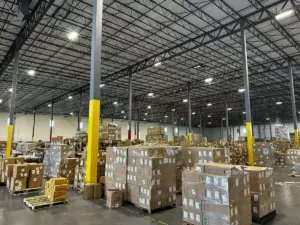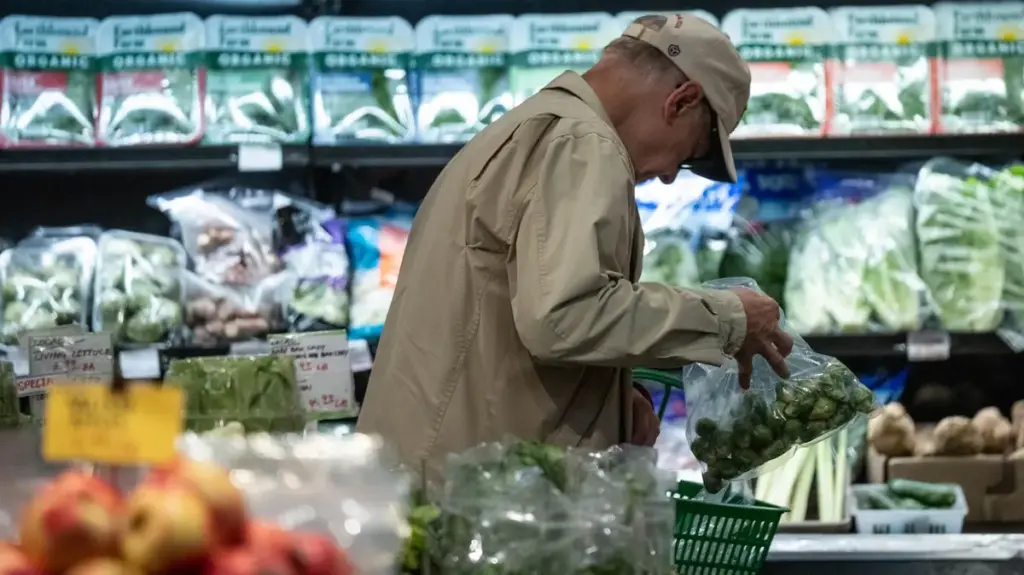
As discussions around food accessibility continue to gain momentum, Toronto finds itself at a pivotal moment. Just before noon on April 7, 2026, city officials and community leaders gathered to discuss a groundbreaking proposal aimed at transforming the grocery landscape in low-income neighborhoods. The proposal, spearheaded by Avi Lewis, envisions a network of state-subsidized grocery warehouses that would provide local products at significantly reduced prices.
The initiative comes in response to growing concerns about food deserts in urban areas, where residents often struggle to find affordable and nutritious options. With an estimated initial investment of $350 million and annual operating costs projected at $290 million, the proposed grocery network could lead to price reductions of up to 30% in large cities and 45% in northern communities. This could translate to annual savings of between $2,500 and $10,000 for families, a substantial relief for those facing economic hardships.
Anna Paskal, a key advocate for the proposal, emphasized the potential benefits, stating, “The government would cover rent, wages, and electricity costs, and would not take profits, which could significantly lower grocery costs based on where people live.” However, as Sylvain Charlebois pointed out, the complexity of implementing such a system means it will require considerable taxpayer investment.
Meanwhile, in Saguenay–Lac-Saint-Jean, the community has rallied around its local grocery store following a recent incident where a portion of the roof of an Intermarché collapsed. Fortunately, no injuries were reported, and the store’s owners are optimistic about a partial reopening within one to two weeks. Local residents have shown strong support, with community leaders like Pier-Luc Gilbert highlighting the essential role the grocery store plays in meeting the needs of the municipality.
Samuel Pilote, a local official, shared the immediate response from the city, stating, “Right after the incident, we received calls from the mayor and city councilors. Everyone was ready to help.” This outpouring of community support underscores the importance of local grocery stores as vital resources for neighborhoods, especially in times of crisis.
As these two stories unfold, they reflect a broader conversation about food accessibility and community resilience. The Toronto grocery network proposal aims to address systemic issues of food inequality, while the response to the roof collapse in Saguenay–Lac-Saint-Jean showcases the strength of community ties in supporting local businesses.
Details remain unconfirmed regarding the exact cause of the roof collapse, but the community’s swift action and solidarity highlight the critical role that grocery stores play in the fabric of everyday life. As Toronto moves forward with its ambitious grocery network proposal, the hope is that it will not only provide economic relief but also foster a sense of community and connection among residents.
In the coming weeks, as both initiatives develop, the focus will remain on ensuring that all community members have access to the essential resources they need. The outcomes of these efforts could set a precedent for how cities approach food accessibility and support for local businesses in the future.