Introduction
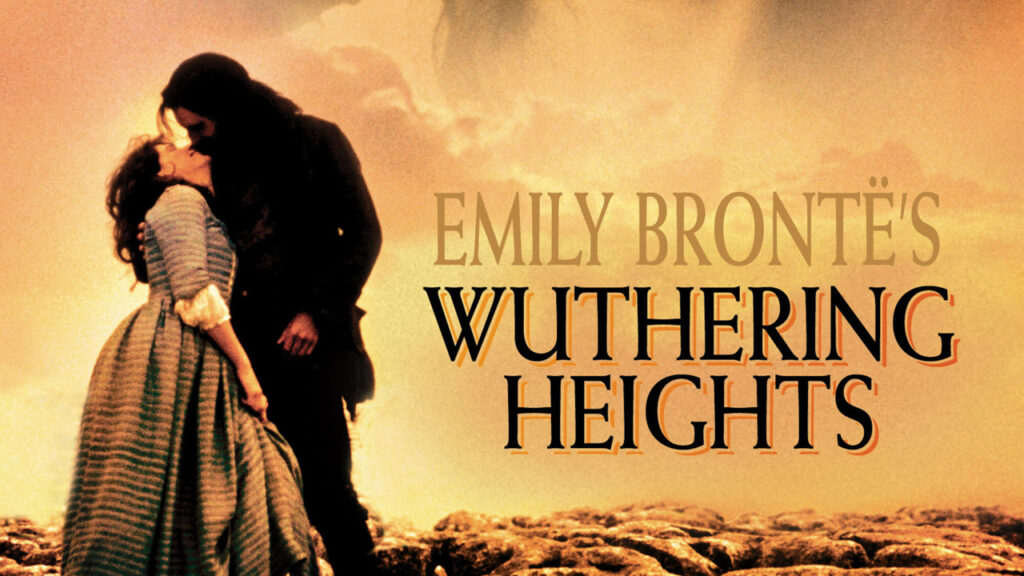
Wuthering Heights, the classic novel by Emily Brontë, has captivated audiences since its publication in 1847. Its themes of love, revenge, and the supernatural have inspired numerous adaptations for film, television, and stage. The movie adaptations of Wuthering Heights not only highlight artistic interpretations of the beloved characters and tumultuous relationships but also serve as reflections of the social and cultural context in which they were created. This ongoing interest in the novel underscores its enduring relevance and influence in popular culture.
Recent Adaptations
The most notable recent film adaptation of Wuthering Heights was released in 2011, directed by Andrea Arnold. This version received critical acclaim for its gritty realism and atmospheric cinematography, offering a fresh perspective on the often-romanticized story. The casting of Kaya Scodelario as Catherine and director Arnold’s choice to emphasize the rawness of the characters’ emotions provided a new lens through which to view the classic tale.
Critical Reception
Critical responses to the 2011 adaptation highlighted both its strengths and weaknesses. Critics praised Arnold’s distinct directorial style, which drew viewers into the harsh landscape of the Yorkshire moors, truly reflecting the tumultuous nature of the characters’ lives. However, some noted that the pacing may be slower than traditional adaptations, potentially alienating viewers who prefer a more fast-paced narrative.
Historical Context and Legacy
The novel itself has been adapted for film numerous times since the advent of cinema, with notable versions in 1939, 1970, and 1992. The 1939 adaptation, featuring Sir Laurence Olivier and Merle Oberon, remains iconic, often regarded for its grand production values and classic Hollywood styling. Over the decades, each adaptation has taken liberties with the source material, reflecting contemporary cinematic trends and societal attitudes, thereby contributing to the novel’s legacy across generations.
Conclusion
The legacy of Wuthering Heights in cinema signals its place not only as a pivotal work of literature but also as a source of artistic inspiration. As filmmakers continue to explore its themes, new adaptations will likely emerge, each offering a unique interpretation that speaks to the time it was created. For audiences, these films serve as both a gateway to Brontë’s haunting narrative and an opportunity to engage with the broader question of what it means to love and lose in a tumultuous world.