Introduction
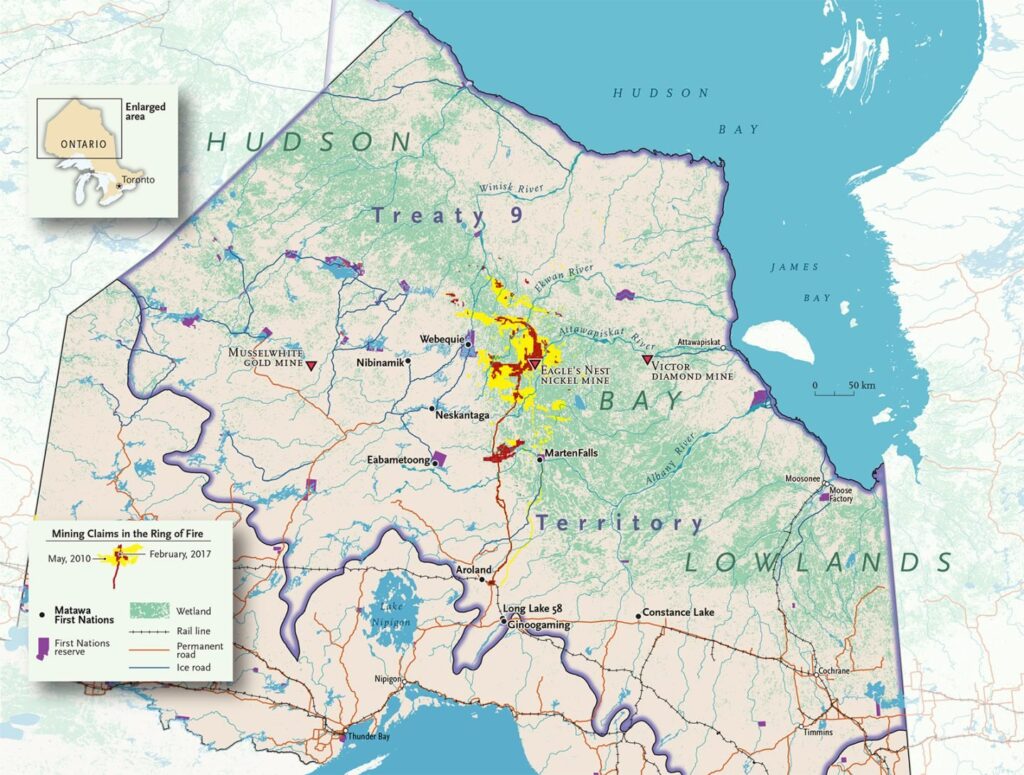
The Ring of Fire in Northern Ontario is a region of tremendous geological and economic significance. Known for its rich deposits of minerals such as nickel, copper, chromium, and platinum, this area has captured the attention of mining companies and government initiatives alike. The development of the Ring of Fire is not merely an economic opportunity; it is also crucial for Canada’s transition towards a greener economy and for securing the country’s mineral supply chain.
Current Developments
As of 2023, the Ring of Fire remains a focus of investment and development activities. The Ontario government has been actively working to create a conducive environment for mining projects within the region. In July 2023, the provincial government announced a new infrastructure development plan aimed at improving access to the area, which is currently hindered by a lack of roads and transportation facilities. These improvements are seen as vital for attracting investors and expediting mining operations.
Several major mining companies, including Noront Resources and PPC Ltd., have been working on projects that explore the mineral wealth of the Ring of Fire. Noront’s Eagle’s Nest Project is one of the most notable initiatives, with an estimated 1.1 million tonnes of nickel and copper resources, along with other valuable minerals.
Environmental and Indigenous Considerations
However, the project’s development is not without controversy. Environmental groups and Indigenous communities have raised concerns about the potential impacts of mining activities on the local ecosystem and the rights of Indigenous peoples in the region. Last year, multiple consultations were held to address these issues, with community leaders emphasizing the need for sustainable development practices that respect traditional lands and cultures.
The Ontario government has pledged to engage with Indigenous communities as part of any development plan, indicating that successful collaboration could foster mutual benefits, including job creation and economic development for local populations.
Conclusion
The future of the Ring of Fire presents both potential and challenges. As the demand for critical minerals grows, particularly in green technologies like electric vehicles and renewable energy solutions, the importance of the Ring of Fire becomes increasingly pronounced. Stakeholders will need to balance economic ambitions with environmental responsibilities and Indigenous rights to ensure that the region’s development is sustainable and inclusive. With ongoing investments and dialogues, the Ring of Fire may play a pivotal role in shaping Ontario’s economic landscape and contributing to Canada’s sustainable future.