What is driving the rise in gas prices?
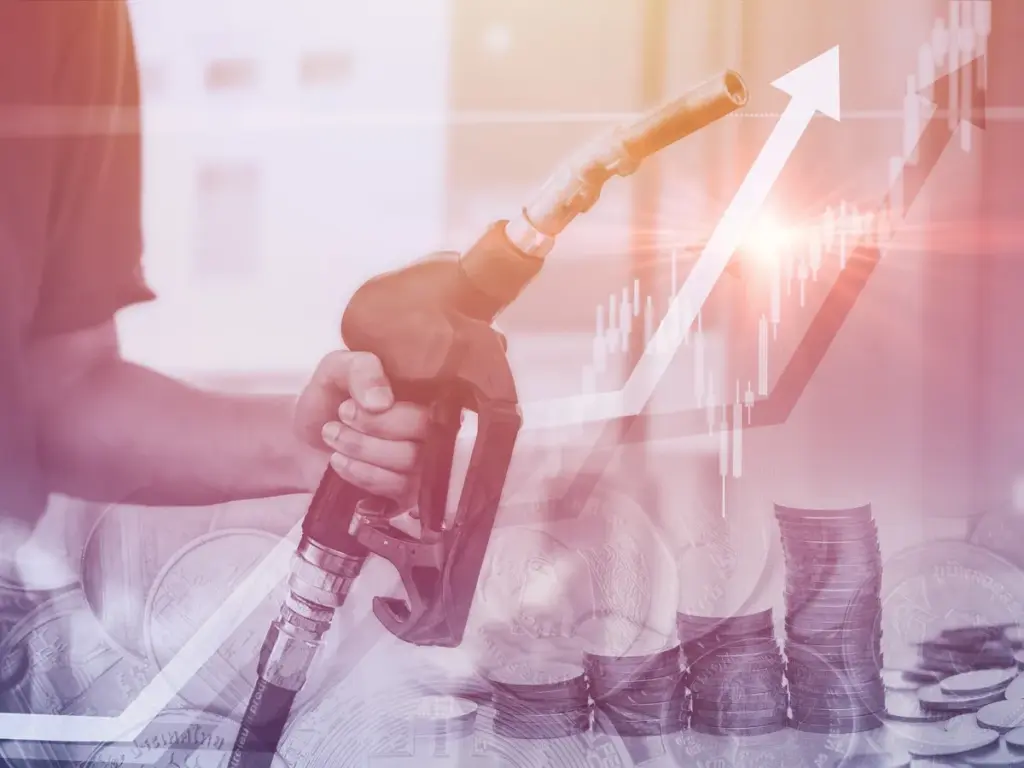
Gas prices in Kelowna, Canada, have surged to 155.9 cents per litre as of March 8, raising concerns among consumers and businesses alike. This increase is primarily driven by a significant rise in oil prices, which topped $100 (US) per barrel in early trading on Monday.
The situation in Kelowna is part of a larger trend observed across Canada. For instance, the national average gas price has increased by 18.4 cents per litre in the past week, reaching 153.88 cents per litre. In the province, prices have risen to 145.02 cents per litre, up 13.4 cents from the previous week.
Regional Variations in Gas Prices
In contrast, gas prices in Vernon were recorded at 109.9 cents per litre several weeks ago, highlighting the regional disparities in fuel costs. Meanwhile, Saskatoon has seen an average retail gasoline price increase of 13.7 cents per litre in just one week.
The fluctuations in gas prices are not only affecting consumers at the pump but also raising broader economic concerns. An unnamed driver expressed frustration, stating, “It has gone up. Every day. It goes up, it goes down, it goes up. I saw it went from 117 to $147 in a day. It’s outrageous.” Another driver noted the impact on diesel prices, indicating that costs have risen significantly since they began driving a diesel truck.
Global Factors Influencing Prices
The surge in oil prices is largely attributed to ongoing geopolitical tensions, particularly involving Iran, which have disrupted global supply chains. The price of Brent crude recently surged to $119.50 (US) per barrel before settling back to around $106.
Experts warn that higher oil and gas prices will have widespread implications. Le Van Tu stated, “Higher oil and gas prices will affect everyone and our economy,” underscoring the potential for increased costs across various sectors.
As the situation continues to evolve, the responsibility for ensuring stable energy supplies falls on all parties involved. Guo Jiakun remarked, “All parties have their responsibility to ensure stable and smooth energy supplies.” However, details remain unconfirmed regarding how long these price increases will persist and what measures may be taken to mitigate their impact on consumers.