How it unfolded
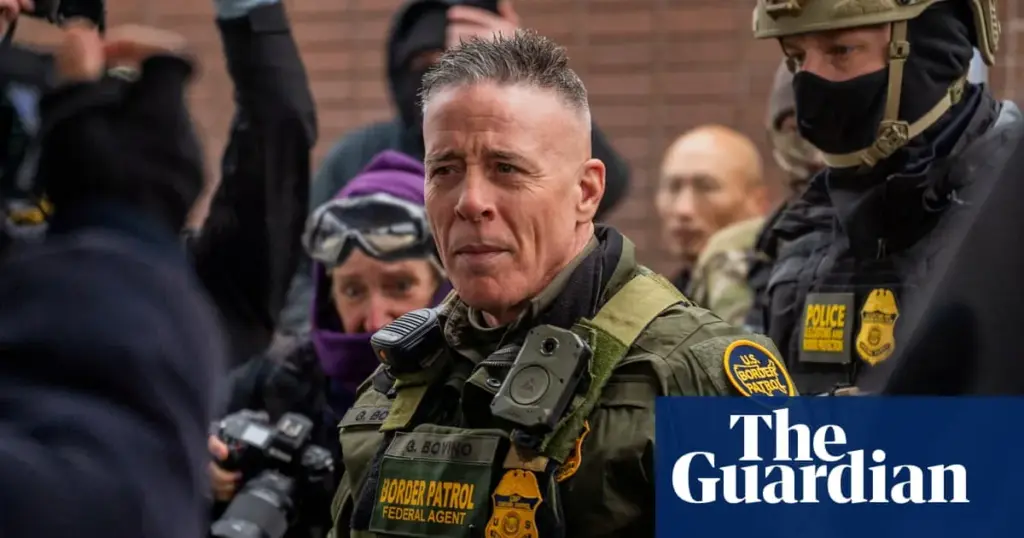
In March 2026, Gregory Bovino, the former commander-at-large of the US Border Patrol, made headlines with his announcement of retirement. This decision came at a time when his leadership was under intense scrutiny, particularly following a series of high-profile incidents that raised questions about the tactics employed under his command.
Throughout his 30-year career with the Border Patrol, primarily in California’s El Centro sector, Bovino was known for his hard-line views on immigration and aggressive enforcement measures. He had been appointed by the Trump administration to spearhead immigration enforcement efforts, particularly in California and Minnesota, where he aimed for what he described as “total border domination.” His tenure was marked by a commitment to deporting a staggering 100 million people, a goal he openly expressed during his time in office.
However, Bovino’s approach was not without controversy. In January 2026, two US citizens were tragically killed during operations conducted under his command. These incidents sparked outrage and led to investigations into his leadership and decision-making processes. Furthermore, Bovino’s use of derogatory terms to refer to undocumented immigrants in legal documents drew criticism from various advocacy groups, including the American Civil Liberties Union.
Despite the controversies, Bovino remained steadfast in his beliefs. He once stated, “I wish I’d caught even more illegal aliens,” reflecting his aggressive stance on immigration enforcement. His tactics, which included high-speed operations, were often viewed as excessive by community members and civil rights advocates alike.
As his retirement approached, Bovino faced internal investigations that complicated his departure from the Border Patrol. While he expressed a desire to shift his focus to addressing non-native invasive species in North Carolina, the circumstances surrounding his exit were anything but straightforward. His retirement was not entirely voluntary, as the investigations loomed over him, casting a shadow on his legacy.
In the wake of his retirement announcement, community members and advocates are left to grapple with the implications of his leadership. The aggressive tactics employed during his tenure have left a lasting impact on many families and individuals affected by immigration enforcement. As the Border Patrol moves forward, the question remains: how will they address the community’s concerns and rebuild trust?
As Bovino steps away from his role, he leaves behind a complex legacy that intertwines with the broader narrative of immigration policy in the United States. His hard-line approach and the controversies that accompanied it will likely continue to resonate within the community, prompting discussions about the future of immigration enforcement and the human stories behind the statistics.