What does the recent initiative by the International Finance Corporation mean for women in Sri Lanka?
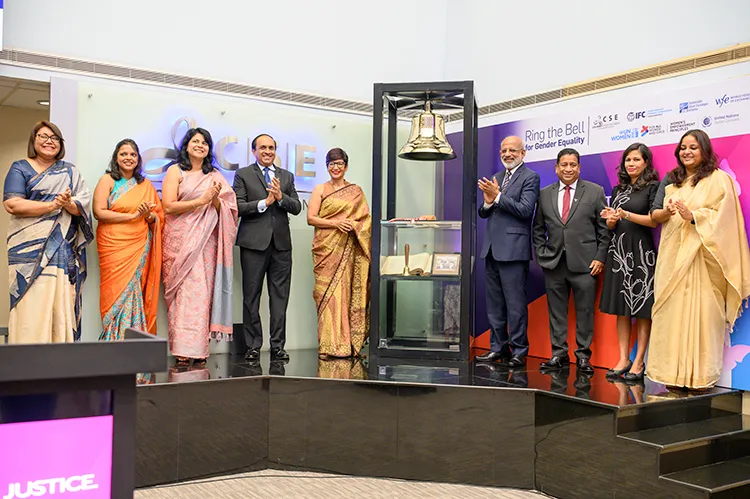
The International Finance Corporation (ifc), in collaboration with the Colombo Stock Exchange and global partners, recently rang the opening bell to promote women’s leadership in Sri Lankan business. This event, held on March 8, 2026, coincided with International Women’s Day and underscores a significant commitment to enhancing gender equality in the corporate sector.
How has women’s representation in business evolved in Sri Lanka?
Women’s representation on boards of companies listed on the Colombo Stock Exchange (CSE) has seen a modest increase, rising to 13.7 percent this year from 13.4 percent last year. This gradual improvement reflects ongoing efforts to empower women in leadership roles within the business community. The Ring the Bell for Gender Equality Initiative, which includes 114 participating exchanges and central counterparties (CCPs), aims to further this progress by advocating for the full and equal participation of women in the workforce.
Who are the key figures involved in this initiative?
Several prominent figures participated in the event, including Jayanthi Dharmasena, Managing Director of Hayleys Agriculture Holdings Ltd., who emphasized the necessity of unlocking the economic potential of women for inclusive growth. Gevorg Sargsyan, Country Manager for the World Bank Group in Sri Lanka and Maldives, also highlighted the importance of placing women at the center of the workforce to ensure dignity and reduce poverty. Their statements reflect a broader recognition of the critical role women play in driving economic development.
What is the significance of the Ring the Bell for Gender Equality Initiative?
This initiative not only promotes gender equality but also aligns with the Sustainable Development Goals set forth by the United Nations. Nandini Sukumar, CEO of the World Federation of Exchanges, remarked on the importance of fostering inclusive financial markets, stating that events like this serve as a powerful reminder of the need for diversity in leadership. The initiative’s global reach, with 114 exchanges participating, signifies a collective commitment to gender equality across various markets.
What challenges remain for women in Sri Lanka’s business landscape?
Despite the positive strides, challenges remain in achieving greater representation and equality in leadership roles. The cultural and structural barriers that women face in the workplace continue to hinder their advancement. As noted by Nilupa Perera, the actions taken by organizations and leaders send a resounding message that there is indeed a place for women in leadership, but the journey towards equality is ongoing.
What are the next steps for the initiative and its supporters?
As the initiative progresses, stakeholders will need to focus on concrete measures to sustain and accelerate the momentum gained. The involvement of organizations such as UN Women and the World Bank Group will be crucial in providing the necessary support and resources to ensure that women’s leadership continues to grow. The commitment to gender equality must translate into actionable policies and practices within companies to create lasting change.
What remains uncertain about the future of women’s leadership in Sri Lanka?
While the recent developments are promising, details remain unconfirmed regarding specific strategies and timelines for achieving greater gender parity in leadership positions. The ongoing dialogue among key stakeholders will be essential in shaping the future landscape of women’s empowerment in Sri Lanka’s business sector.