Introduction
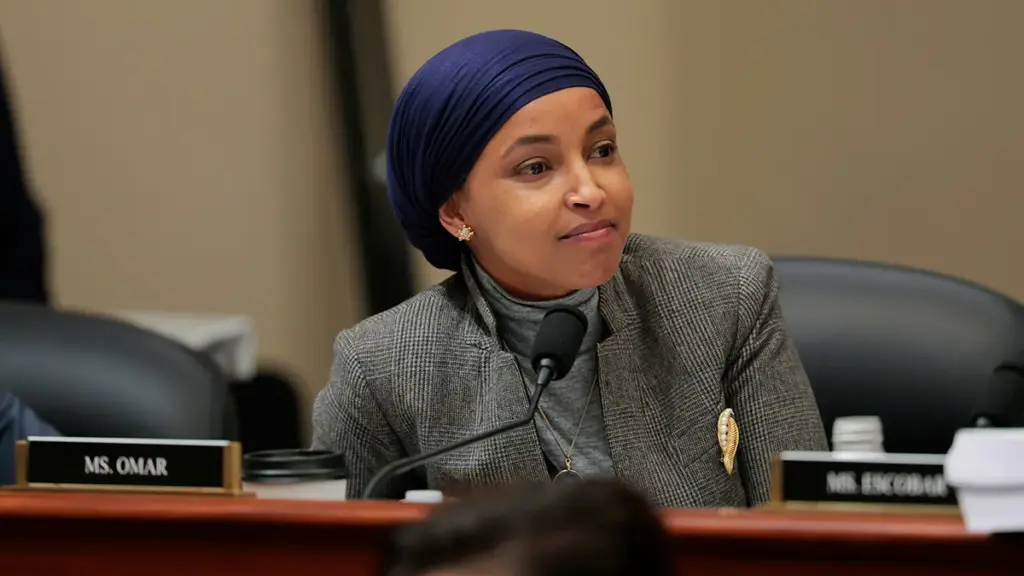
Ilhan Omar, the U.S. Representative for Minnesota’s 5th congressional district, has emerged as a significant figure in American politics. Her journey from a refugee to a congresswoman is not just a personal triumph but also a reflection of the changing landscape of U.S. politics. As an advocate for progressive policies, Omar has garnered both immense support and fierce criticism, making her a pivotal voice in contemporary discussions of social justice, immigration, and foreign policy.
Recent Events and Positions
Since her election in 2018, Omar has been vocal about numerous issues affecting her constituents and the larger American populace. Recently, she has focused on calling for reforms in areas such as healthcare, immigration policies, and racial equity. Her commitment to Medicare for All aligns with a growing movement within the Democratic Party that seeks to expand healthcare access to all Americans. Moreover, Omar has taken a strong stance against police brutality, advocating for significant reforms following high-profile cases that have ignited nationwide protests.
Omar has also made headlines with her foreign policy positions, particularly her critical approach towards Israel and her advocacy for Palestinian rights. This stance has resulted in both support from progressive factions and backlash from others, framing her as a contentious figure in international relations debates within the U.S.
The Significance of Ilhan Omar
Omar’s influence extends far beyond her district. She has become a symbol of representation for many marginalized communities, particularly Muslim women and immigrants. Her journey exemplifies the potential for underrepresented voices to make an impact within the political sphere. Moreover, her presence in Congress challenges traditional narratives about who can and should participate in U.S. politics.
The divisive nature of her politics, however, highlights the polarization in American society. As a member of ‘The Squad’, a group of progressive congresswomen, Omar is often linked with broader movements advocating systemic change. This alignment has positioned her as a key figure in the upcoming elections, further signifying her relevance in shaping policies and party strategy.
Conclusion
Ilhan Omar’s role in U.S. politics is emblematic of the dynamic shifts occurring within the Democratic Party and the nation at large. As she continues to advocate for progressive changes, the implications of her work will likely influence upcoming elections and policy decisions. For the American public, especially younger voters inspired by her actions, Omar’s political trajectory signals an important dialogue about representation, equity, and justice in governance. As she navigates her controversial platform, her future endeavors will be closely watched, marking her as a key player in shaping the narrative of modern American politics.