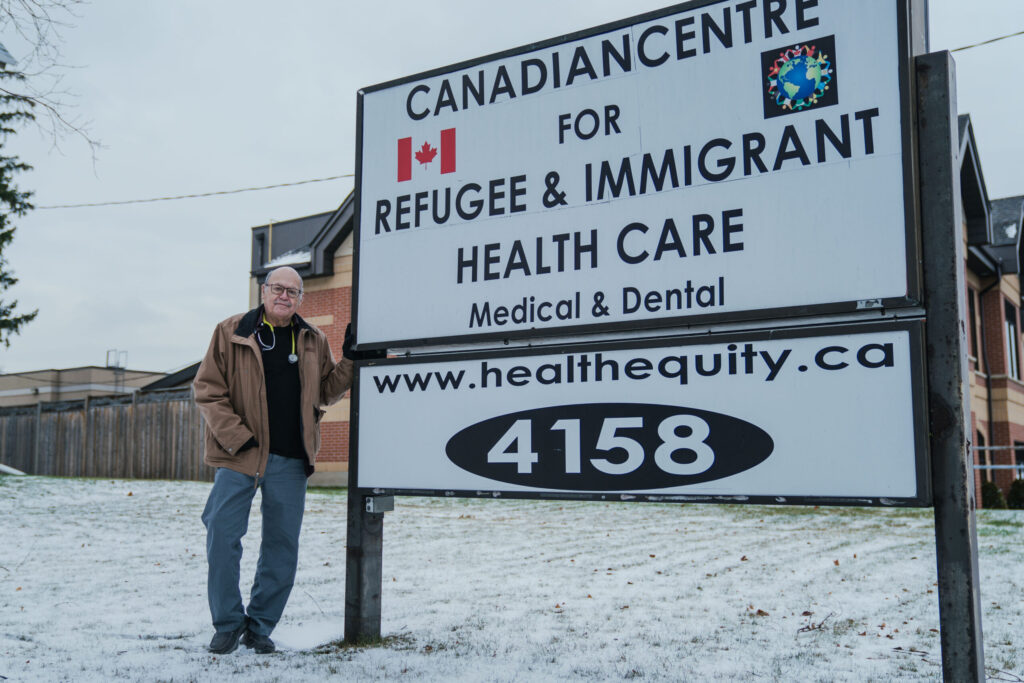
The Importance of Health Care for Refugees
As Canada continues to be a destination for many individuals seeking refuge from conflict and persecution, the health care needs of refugees are paramount. Accessible and effective health care services not only improve the quality of life for refugees but also foster integration into Canadian society.
Current Health Care Framework
In Canada, refugees are generally eligible for health care services under the Interim Federal Health Program (IFHP), which provides limited, temporary health coverage to protected persons who are not eligible for provincial or territorial insurance plans. This includes basic medical services such as hospital visits, essential medicines, and mental health support.
As of October 2023, the Canadian government has made strides in addressing the health care challenges faced by refugees. Recent policy adjustments aim to improve access to health professionals and streamlined processes for receiving care. Additionally, community health centers and non-governmental organizations are actively engaged in providing supplementary services.
Challenges and Barriers
Despite these advancements, refugees often encounter barriers that hinder their access to health care. Language constraints, cultural differences, and the need for mental health services remain significant challenges. A study conducted by the Canadian Council for Refugees highlights that many newcomers are not aware of their health care rights or how to navigate the health system.
Moreover, the COVID-19 pandemic has exacerbated existing inequalities, further complicating access to necessary health services. Refugees have reported difficulties in receiving vaccinations and preventative care due to misinformation and limited outreach from health authorities.
Community Engagement and Support Initiatives
Non-profit organizations and local communities are stepping up to fill the gaps where the governmental health system may fall short. Many have implemented outreach programs aimed at educating refugees about their health care entitlements, available services, and navigation tools, creating community networks that promote wellness and support.
Conclusion: The Way Forward
As Canada progresses in its commitment to improving the lives of refugees, enhancing health care access will remain a critical focus. Stakeholders, including the government, health care providers, and advocacy groups, must continue to collaborate to address existing barriers. Future initiatives should prioritize culturally competent care and comprehensive education to ensure refugees receive the support they need for a healthier future in Canada. The way forward involves both immediate action and long-term planning to create an inclusive health care system that understands and meets the unique needs of refugee populations.