Introduction
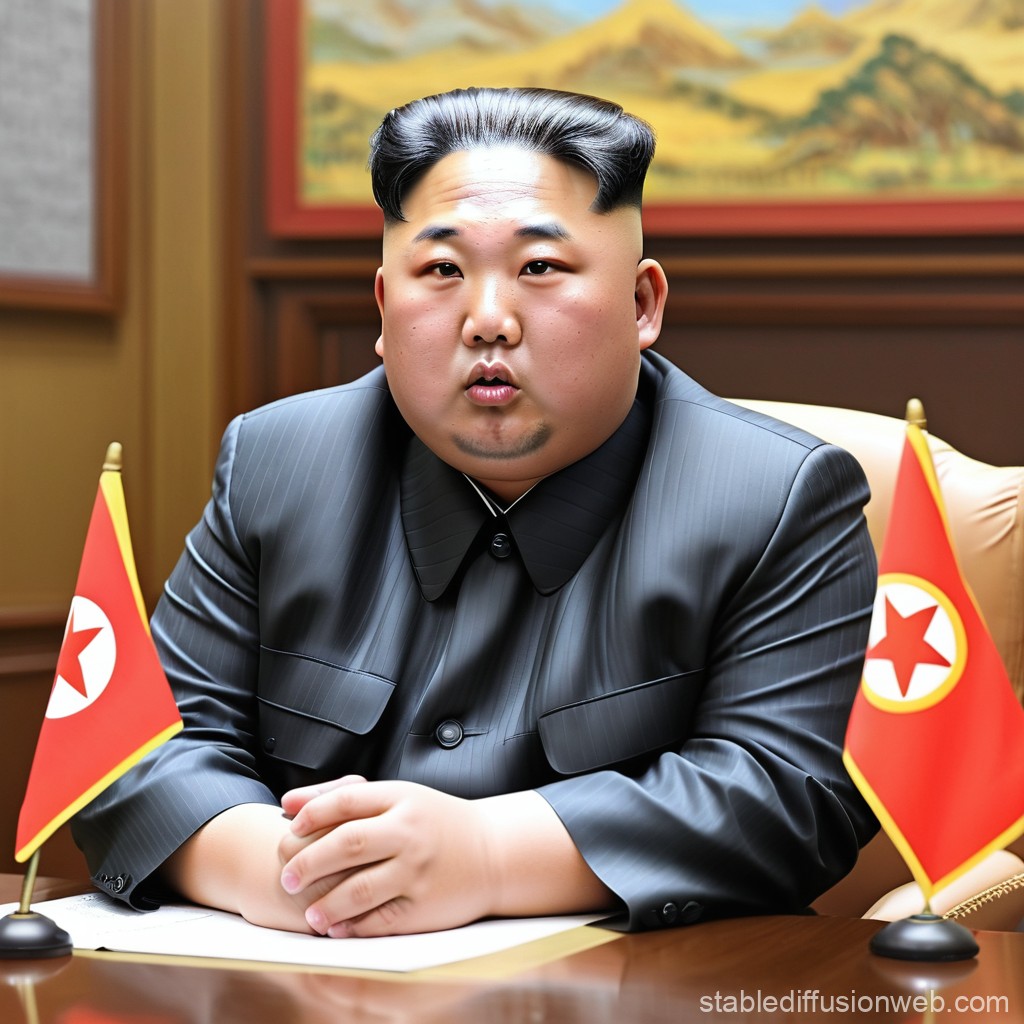
Kim Jong Un, the Supreme Leader of North Korea, has been a central figure in international relations since taking power in 2011. His leadership style and policies have significant implications not only for the Korean Peninsula but also for global stability. Recent developments have highlighted his influence on nuclear negotiations, international diplomacy, and regional security.
Recent Developments
In the past few months, Kim Jong Un has made headlines by ramping up North Korea’s missile tests, a move perceived as a challenge to both the United States and its allies in Asia. In early October 2023, North Korea launched several short-range ballistic missiles, claiming they were part of military exercises aimed at countering perceived threats from joint U.S.-South Korean military drills in the region. This escalation adds to concerns regarding the reliability of diplomatic negotiations over Pyongyang’s nuclear arsenal.
Moreover, Kim has engaged more with international partners, notably China and Russia, for economic support as North Korea continues to grapple with the effects of sanctions and the COVID-19 pandemic. In late September, he held a summit with Russian President Vladimir Putin, discussing potential cooperation on various fronts, including military and economic ventures. These interactions suggest a strategic shift in North Korea’s foreign policy.
Impact on Global Politics
The actions of Kim Jong Un serve as a reminder of the volatility in Northeast Asia. The increase in missile tests and military readiness has prompted responses from the U.S. and its allies, including enhanced military preparedness and diplomatic efforts to curb North Korea’s nuclear ambitions. Furthermore, the potential strengthening of ties between North Korea, China, and Russia raises the stakes in the strategic calculus of the region.
Conclusion
As Kim Jong Un continues to assert his leadership amidst increasing international tensions, the global community watches closely. His actions not only affect North Korea’s domestic situation but also pose significant challenges for international security. The looming question remains whether diplomatic efforts can help mitigate tensions or if the current trajectory will lead to further escalation. Keeping abreast of the situation is crucial for both policymakers and citizens alike, as the developments surrounding Kim Jong Un impact geopolitical stability for years to come.