Introduction
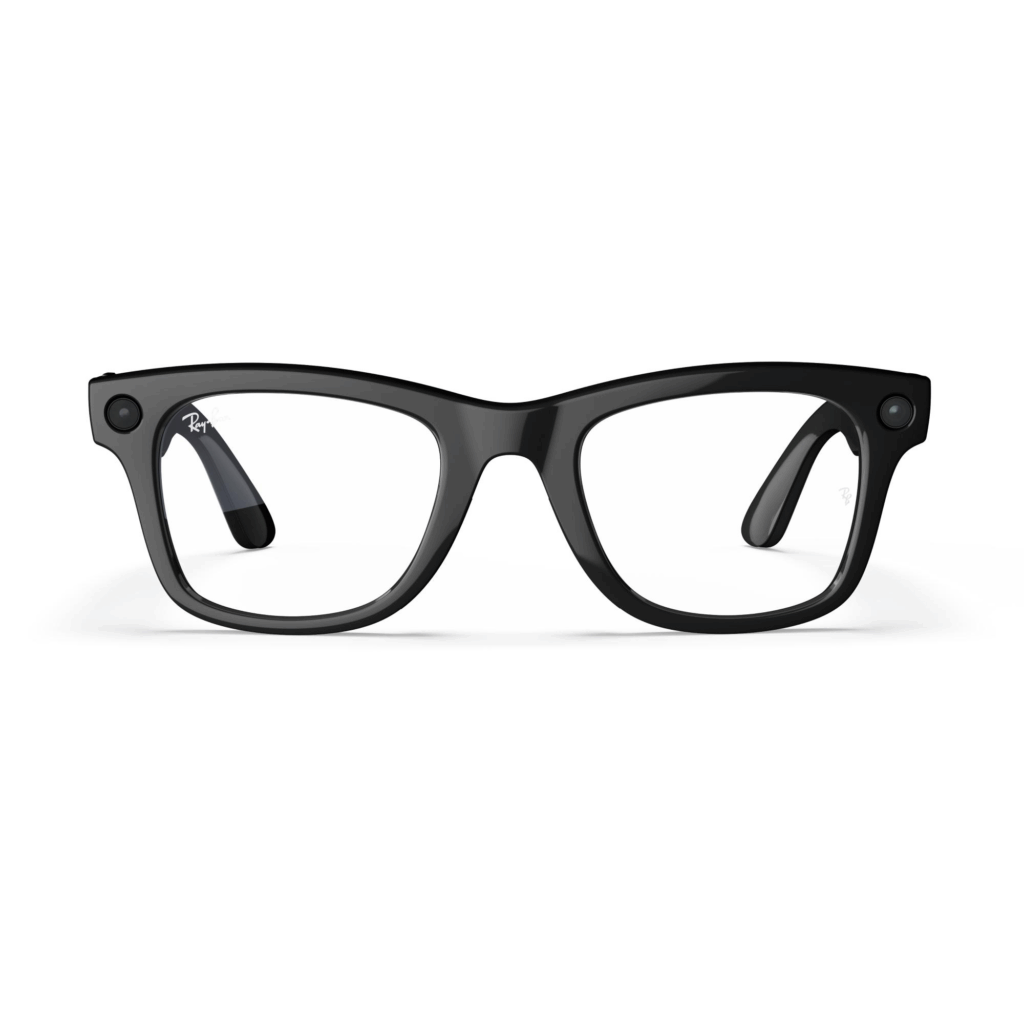
As technology continues to evolve at an unprecedented pace, augmented reality (AR) is becoming increasingly integral to our daily lives. The recent launch of Meta Glasses by Meta Platforms, Inc. has sparked conversation about the potential impact of AR on communication, work, and entertainment. These smart glasses aim to blend the digital and physical worlds, offering enhanced experiences that could redefine how we interact with technology.
Features and Innovations
Meta Glasses come equipped with cutting-edge technology designed to facilitate augmented reality experiences. With high-definition displays, the ability to detect and interact with the surrounding environment, and integrated voice recognition, users can access a variety of applications seamlessly. The glasses also feature advanced cameras and sensors that allow users to capture both photos and videos in real-time while overlaying digital information in their field of vision.
One of the standout features of Meta Glasses is their connectivity with the Meta ecosystem, which includes Facebook, Instagram, and WhatsApp. This integration fosters a more immersive social media experience, allowing users to share content directly from their glasses. Additionally, with compatibility for third-party apps, users can further personalize their AR experience.
Public Reception and Market Impact
Since their release, Meta Glasses have received mixed reviews. Tech enthusiasts and early adopters are excited about the innovative capabilities and potential applications in various sectors, including education and remote work. However, concerns about privacy and data security have been raised. Critics argue that the ability to capture images and videos discreetly could lead to unintended invasions of privacy.
The launch of Meta Glasses is also significant for the tech market, signaling a shift towards AR technologies. Analysts believe that as more companies invest in similar products, we may see a rapid expansion in AR applications in the coming years. The gaming and entertainment industries are particularly primed for this transformation, as immersive experiences become a focal point for consumer engagement.
Conclusion
Meta Glasses represent a significant step forward in the world of augmented reality, providing users with unprecedented access to digital information in real-time. As this technology continues to develop, its implications for privacy, user experience, and marketplace dynamics become increasingly critical. Consumers and businesses alike should monitor AR developments, as they promise to fundamentally alter our interactions with technology and each other. The future is undeniably linked with augmented reality, and tools like Meta Glasses are at the forefront of this evolution.