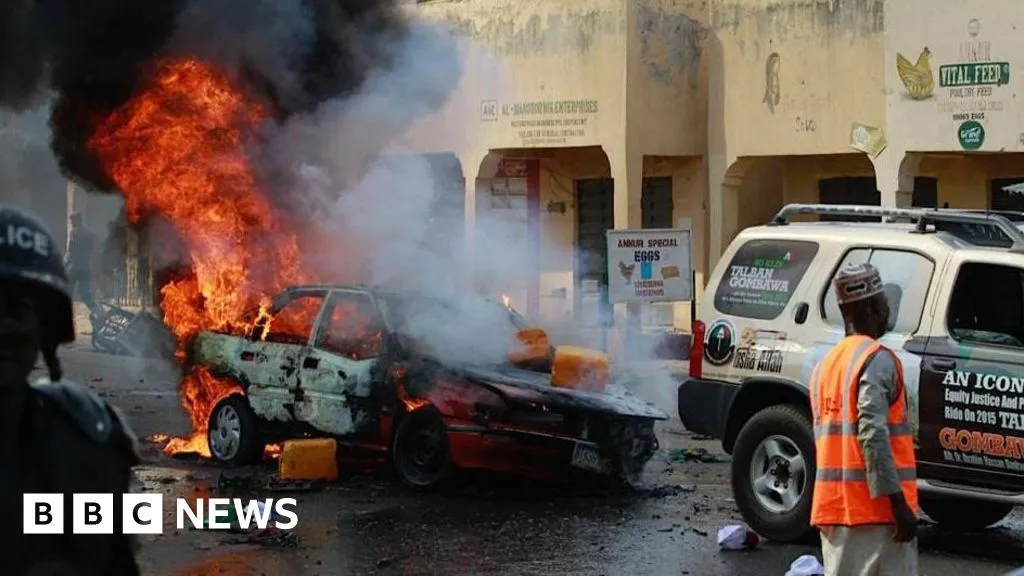
Nigeria has been facing a complex security situation due to a long-standing insurgency involving extremist groups. The recent mass trial in Abuja has resulted in nearly 400 terrorism suspects being convicted, underscoring the ongoing challenges the nation faces in combating violence.
In total, 508 cases were brought to court, leading to 386 convictions, 8 discharges, and 2 acquittals. Many of those convicted received prison terms of up to 20 years for their involvement in attacks or support for militant groups such as Boko Haram and the Islamic State West Africa Province (ISWAP).
Lateef Fagbemi, a prominent legal figure involved in the trials, stated, “We brought 508 cases to court and out of this number, we were able to secure 386 convictions, eight discharges, two acquittals and 112 cases to the next session or phase.” This statement highlights the significant effort made by the Nigerian judicial system to address the pressing issue of terrorism.
The insurgency has persisted for 16 years, claiming tens of thousands of lives and displacing around 2 million people. The violence has not only been attributed to extremist groups but has also escalated into deadly clashes between Muslim Fulani herders and Christian farming communities.
International observers monitored the court proceedings, emphasizing the global interest in Nigeria’s approach to handling terrorism. However, the situation remains dire, with recent attacks further highlighting the severity of the crisis.
In a related context, at least 26 people were killed in three separate Easter attacks in northern Nigeria. This tragic event has drawn criticism from various quarters, including public figures like John Cleese, who remarked, “It looks rather as though Black Lives Don’t Matter,” pointing to the perceived silence of the international community regarding anti-Christian terrorism in Nigeria.
Cleese further stated, “Also, writing about it would damage the image of the murderers who killed these poor people,” reflecting the frustration many feel over the lack of attention given to these atrocities.
As the trials conclude, observers are left to ponder the future of Nigeria’s security landscape. The ongoing violence and the need for justice remain pressing issues that the nation must confront. The hope is that these convictions will serve as a deterrent to further violence and a step towards restoring peace in the region.