Fuel Prices Before the Surge
Prior to the recent developments, fuel prices in Europe were relatively stable, with consumers accustomed to a certain range of costs for diesel and gasoline. However, as tensions escalated in the Middle East, particularly due to ongoing conflicts, there was an underlying expectation that fuel prices would rise. Consumers were aware that the prices they were paying were based on oil purchased before the conflict intensified, leading to a belief that the impact would soon be felt at the pump.
Decisive Changes in Fuel Prices
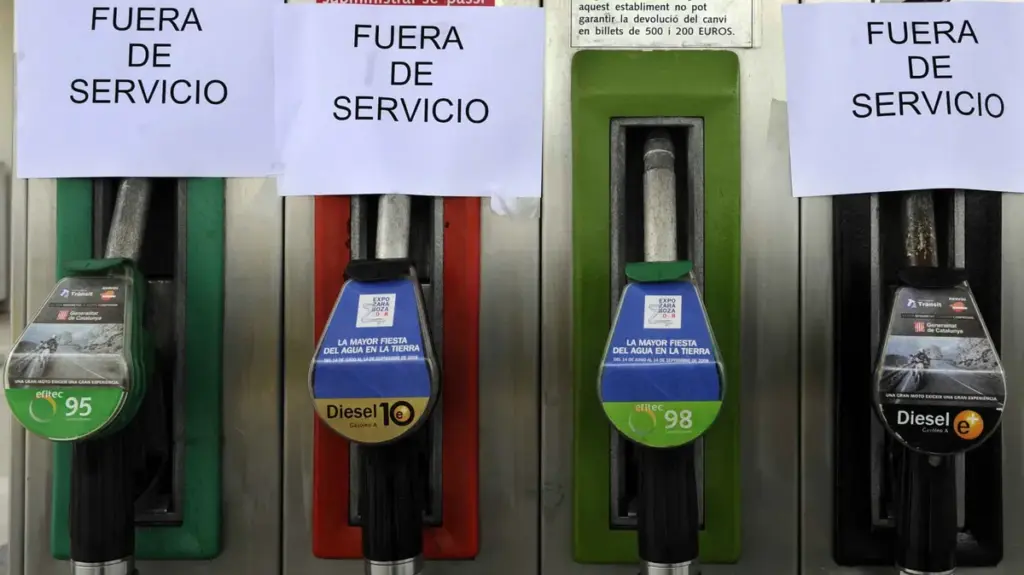
As of March 9, 2026, the situation has dramatically shifted. In France, the price of diesel is nearing 2 euros per liter, a significant increase that reflects the broader trend across Europe. In Spain, the average price of diesel stands at 1.735 euros per liter, while Luxembourg has seen a rapid increase from 1.48 euros to 1.77 euros within just three days. This surge in prices is directly correlated with the price of oil, which has exceeded 100 dollars per barrel due to the ongoing war in the Middle East.
Impact on Consumers and the Market
The immediate effects of these price increases are being felt by consumers across France, Spain, and Luxembourg. For instance, the price of unleaded 95 gasoline in Luxembourg rose from 1.483 euros to 1.522 euros between February 24 and March 4, 2026. Additionally, the price of diesel in Luxembourg jumped to 1.696 euros per liter on March 5, 2026. This rapid escalation has made fuel stations in France particularly attractive to German drivers, as the price difference between French and German fuel stations ranges from 30 to 40 cents per liter.
Expert Perspectives on the Shift
Experts are weighing in on the situation, highlighting the extraordinary wave of price increases affecting all European countries. Frédéric Plan noted, “Tous les pays européens subissent la même vague extraordinaire de hausse des prix,” emphasizing that this is not an isolated issue. Meanwhile, Marc-Antoine Eyl-Mazzega pointed out that most countries have substantial reserves that could sustain supply for two to three weeks, suggesting that while immediate impacts are severe, there may be some buffer in the short term.
Challenges for Fuel Suppliers
Fuel suppliers are also facing challenges as they navigate the rising costs. Philippe Chalmin raised a critical question regarding pricing strategies: “Quand vous vendez quelque chose et que vous devez racheter l’équivalent pour maintenir votre approvisionnement, est-ce que vous allez vendre ce que vous avez au prix où vous l’avez acheté ou au prix auquel vous allez le remplacer?” This highlights the dilemma suppliers face as they balance the need to maintain profitability while responding to market pressures.
Looking Ahead
As the situation evolves, it remains to be seen how long these price increases will last and whether they will stabilize or continue to rise. The background context indicates that the current prices reflect purchases made before the outbreak of conflict, suggesting that consumers may face further adjustments in the coming weeks. Details remain unconfirmed regarding the long-term implications of these geopolitical tensions on fuel prices.
The current landscape of fuel prices in France, Spain, and Luxembourg illustrates the complex interplay between geopolitical events and market dynamics. As consumers grapple with rising costs, the broader implications for the European energy market continue to unfold.