Stryker Corporation Faces Major Cyberattack
Stryker Corporation, a leading medical technology company, experienced a global network disruption on March 11, 2026, due to a cyberattack attributed to the hacking group Handala, which is linked to Iran. This incident has raised serious concerns about the implications of cyber warfare in the context of escalating tensions involving Iran, the United States, and Israel.
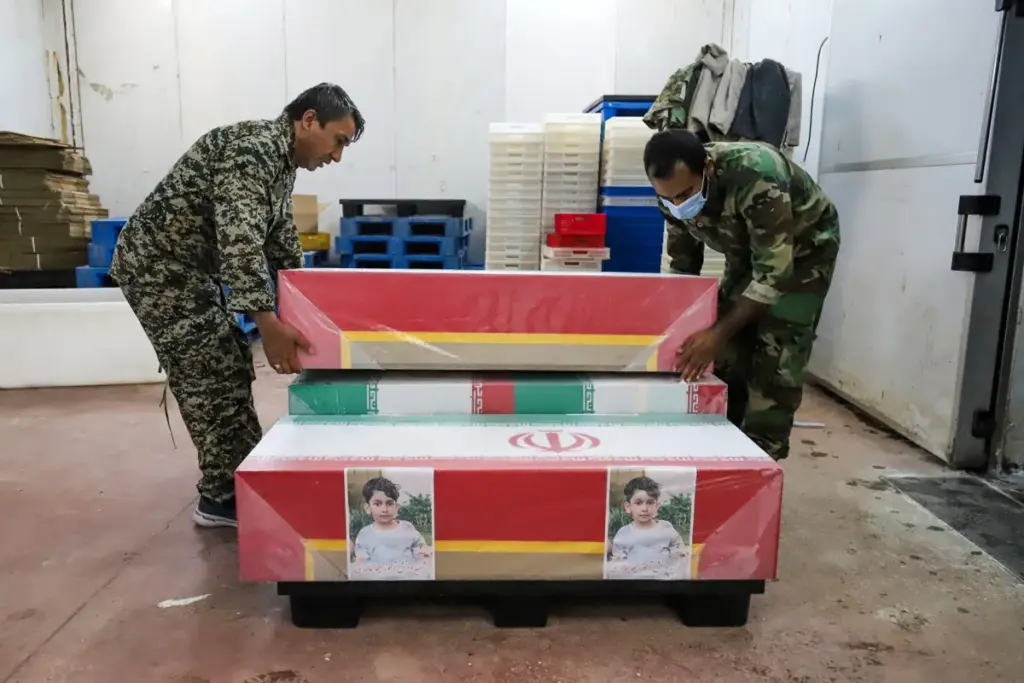
The attack, which began shortly after midnight on the US East Coast, was described by Handala as retaliation for a military strike in Iran that resulted in the deaths of 170 individuals. The group claimed responsibility for the cyber operation, stating, “We announce to the world that, in retaliation for the brutal attack on the Minab school and in response to ongoing cyber assaults against the infrastructure of the Axis of Resistance.” This declaration highlights the intertwining of military actions and cyber operations in contemporary conflicts.
According to reports, the cyberattack led to the wiping of over 200,000 systems, servers, and mobile devices, and the extraction of approximately 50 terabytes of data from Stryker’s systems. Despite the scale of the attack, Stryker confirmed that there was no evidence of ransomware or malware, suggesting that the incident was contained. The company stated, “Stryker is experiencing a global network disruption to our Microsoft environment as a result of a cyberattack,” indicating the severity of the situation.
Stryker Corporation employs around 56,000 people and operates in over 60 countries, providing medical products that serve approximately 150 million patients annually. The attack forced the closure of Stryker’s headquarters for the day, with employees warned against accessing the network. This disruption is particularly concerning given the company’s significant role in the healthcare sector, where operational continuity is critical.
The nature of the attack has been characterized as a “wiper attack,” intended to cause maximum damage rather than to extort money. This tactic raises alarms about the potential for future destructive cyber operations as geopolitical tensions continue to rise. Handala boasted that their major cyber operation had been executed with complete success, further emphasizing the group’s capabilities and intentions.
In the wake of the attack, Stryker’s operations in 79 countries were impacted, highlighting the global reach of the disruption. The incident not only affects Stryker’s business but also raises broader questions about the security of corporate networks in an era where cyber warfare is becoming increasingly prevalent.
As the situation develops, the full extent of the damage and the implications for Stryker and the broader industry remain uncertain. Details remain unconfirmed regarding the long-term effects of the data breach and the company’s recovery efforts. The attack serves as a stark reminder of the vulnerabilities faced by corporations in today’s interconnected world.