Introduction
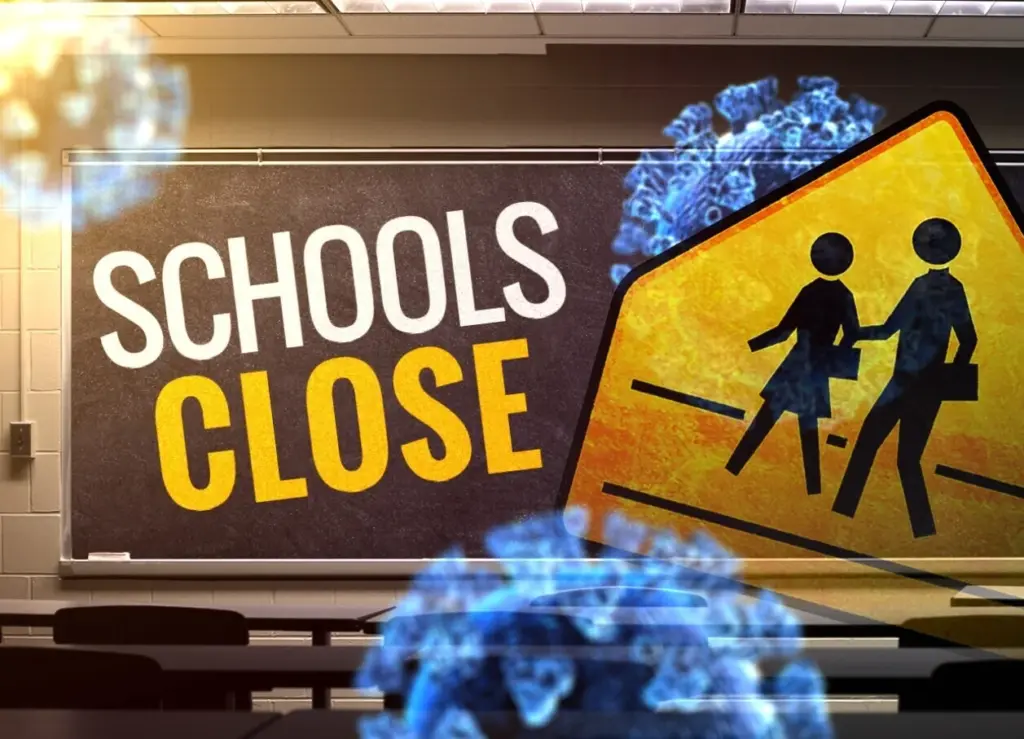
In recent years, school closures have emerged as a major topic within the Canadian education system. The relevance of this issue has only grown due to unforeseen circumstances, such as the COVID-19 pandemic, inclement weather, and budget constraints leading to the shutting down of schools. The implications of these closures resonate not only with students and families but also with educators and policymakers, making it imperative to analyze their impact.
Recent Trends in School Closures
Throughout 2023, several Canadian provinces have experienced notable school closures. The Quebec government, for instance, announced that a number of schools would be temporarily closed due to rising concerns over structural safety. Similarly, in Ontario, the Ministry of Education provided guidance urging districts to prepare for potential closures during extreme weather, including halting operations on days of severe winter storms.
In addition, the impact of COVID-19 has continued to influence decisions surrounding school operations. Some districts are still adjusting to ongoing public health recommendations as isolation periods for exposed students have been mandated, leading to sporadic classroom attendance and class cancellations.
Consequences for Students and Communities
The ramifications of school closures are far-reaching. Students who are unable to attend in-person classes miss important learning opportunities, which can hinder their academic progress. A report from the Canadian Education Association indicated that students may experience a significant learning gap as they face challenges in adjusting to fluctuating learning environments.
Furthermore, school closures have extended beyond academic declines; they also generate emotional and social consequences. According to a recent study published by the University of Alberta, students reported increased stress levels and feelings of isolation during periods of extended school closures. The presence of social support systems, like friendships and access to extracurricular activities, is crucial for their development and well-being.
Looking Ahead
As Canada faces ongoing discussions surrounding education policies, the question of school closures continues to be at the forefront. Policymakers are urged to incorporate the perspectives of educators, students, and parents when making decisions about school operations. Investing in infrastructure, mental health support, and alternative learning solutions may mitigate the impact of any future disruptions.
Conclusion
The significance of school closures cannot be overstated. As Canadian schools navigate these challenges, the education sector must prioritize creating resilient strategies to support students and ensure continuous learning. Engaging communities and fostering adaptive educational practices will be essential steps in the right direction.